If you’ve ever wondered whether cats need baths, you’re not alone. Healthy adult cats are famously meticulous: most keep themselves clean and rarely require a full water bath. Their tongues are built for the job, lifting dirt and spreading natural oils. Veterinary guidance notes that many cats rarely require a bath, with needs varying by age, coat, lifestyle, and health status.
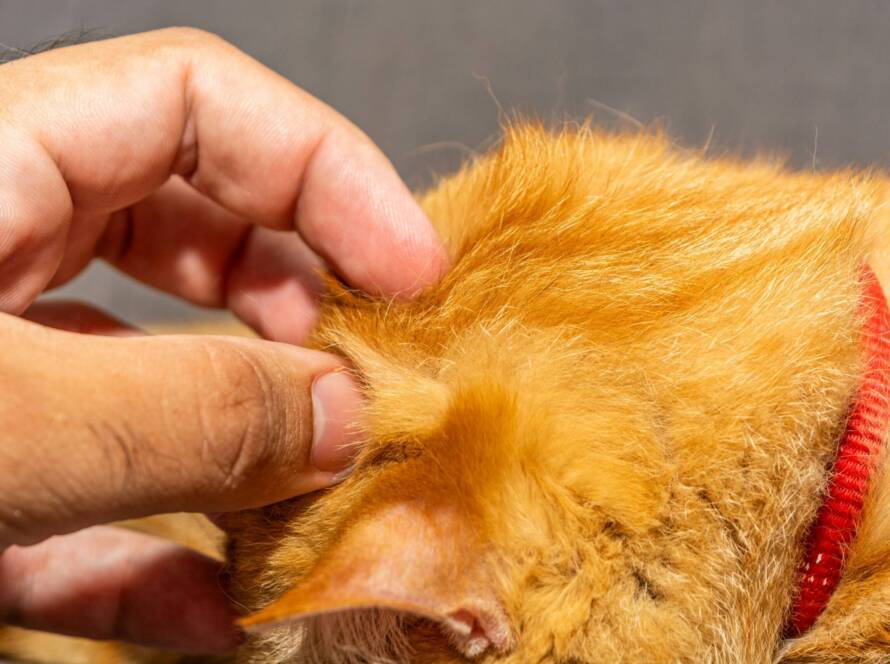
That said, cat bathing can be necessary in specific situations: a greasy or dirty coat, sticky or toxic substances on fur, flea/mites or skin conditions (under veterinary direction), mobility issues in seniors, or show-prep and medical grooming. Let’s also underscore grooming’s role in spotting skin or parasite issues early: useful context for deciding when a bath is warranted.
Your goal is simple: keep the process safe, efficient, and as calm as possible so cat baths don’t become a wrestling match. This guide outlines how to clean a cat step-by-step, with pro tips to reduce stress for both of you.
Preparing for the Bath
Gather your supplies before you start:
- Cat-safe shampoo
- Two or three plush towels
- A plastic cup or a gentle spray nozzle
- A slicker or rubber brush
- High-value treats
Avoid human or dog shampoos; their formulations and pH can disrupt feline skin and strip protective oils. Choose products labelled for cats (or medicated shampoos if your veterinarian has prescribed them).
Trim nails beforehand to minimize accidental scratches; do this a few hours (or a day) ahead so your cat isn’t coping with two stressors back-to-back. Major animal-care organizations also recommend a thorough pre-bath brush to remove tangles, mats, and loose hair.
Brush first; removing tangles and loose fur prevents mats from tightening when wet and shortens drying time.
Pick the right location:
- A waist-high sink is ideal for control and your back.
- A small tub or large basin works well for bigger cats.
- Shower stall if you have a handheld sprayer and a calm cat.
Remove breakables and close the door to prevent Houdini-style exits (refers to a cat’s masterful ability to escape from restraints or confinement). Line the surface with a folded towel or rubber mat for secure footing.
Tip for Canadian Households: In winter, warm up the room first and close windows to avoid drafts; a warm, low-noise space makes bathing cats far less stressful.
Creating a Calm Environment
- Water Temperature: Use lukewarm, think “skin temperature,” not hot or cold. Cats are sensitive to temperature swings, and tepid water helps keep heart rates (and protest meows) lower.
- Secure Footing: Place a non-slip mat or folded towel in the tub or sink so paws don’t slide. This alone can reduce panic.
- Soothing Sound and Gentle Voice: Soft background audio and calm, steady talking help your cat take cues from you. Keep movements slow and deliberate.
- Consider a Helper: Many shelters and humane societies suggest having a second person if your cat is particularly anxious, one to steady and soothe, one to wash.
- Optional Ear Protection: A small wisp of cotton in each ear (not deep) can help keep water out; remove immediately after.
Pro Tip: offer pre-portion treats and smear a lickable snack on a silicone mat at nose level. Continuous licking means lower stress.
Step-by-Step Bathing Process
- Gently Place the Cat in the Water: Start with just a few centimetres of lukewarm water; let paws get wet before increasing water contact. Keep your tone upbeat and matter-of-fact.
- Wet the Fur Slowly, Avoiding the Face and Inner Ears: Use a cup or low-pressure spray directed along the body (back and sides), not at the head. High-pressure spray startles cats; low flow is friendlier.
- Apply a Cat-Safe Shampoo and Lather Gently: Massage with fingertips, don’t scrub. If you’ve been prescribed a medicated product (e.g., for fleas or seborrhea), follow your vet’s contact-time directions precisely.
- Rinse Thoroughly, Then Rinse Again: Residual soap can itch, flake, and cause your cat to over-groom. Keep rinsing until the water runs completely clear.
- Clean the Face with a Damp Cloth Instead of Direct Water: Wipe gently around the eyes, nose, cheeks, and chin. Avoid splashing the face; this is where many cats panic.
Important Safety Reminder: Never use human “tear-free” baby shampoo or dog products; ingredients and pH ranges aren’t designed for cats and can irritate skin or be unsafe if ingested during grooming.
Drying Your Cat
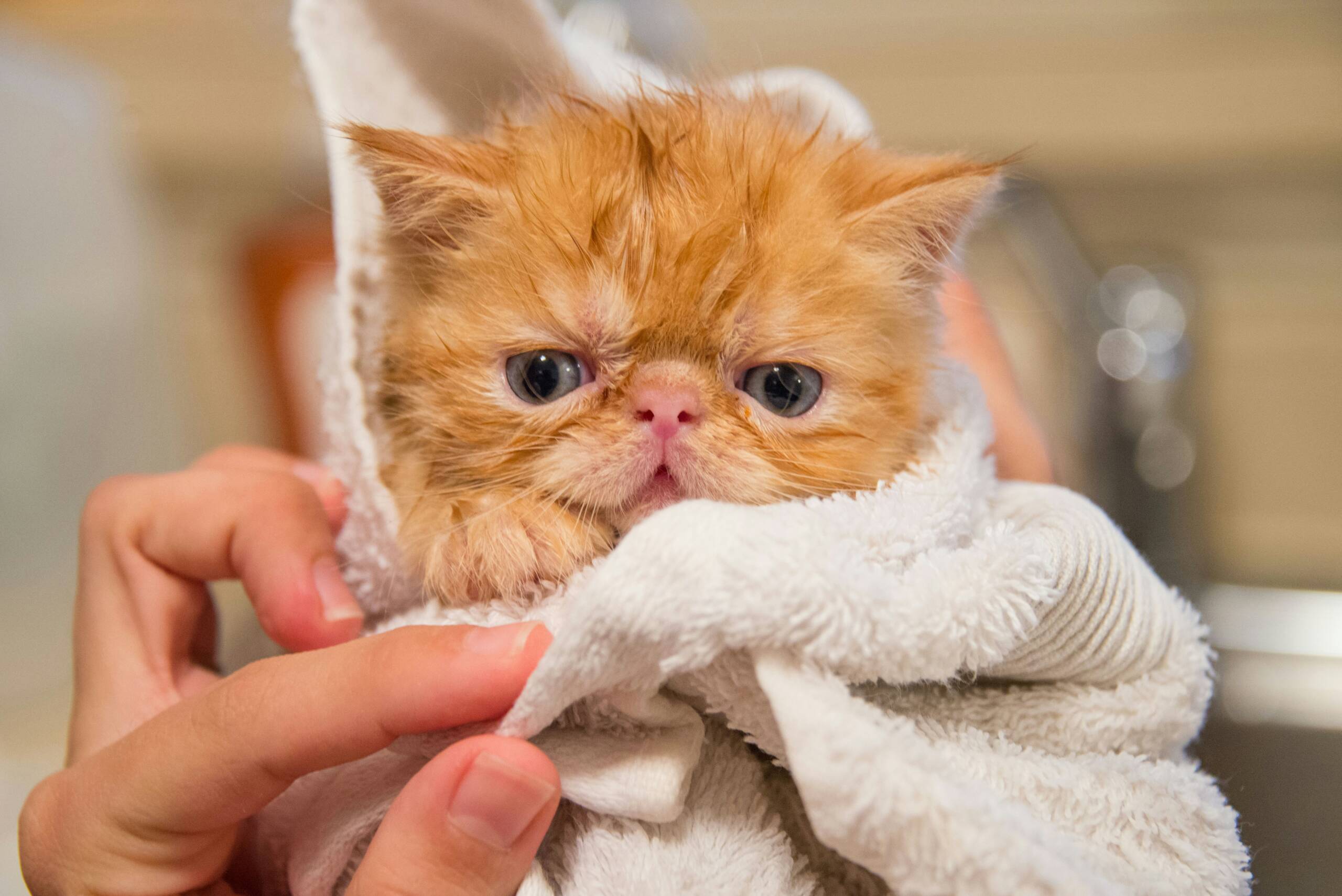
- Towel-Wrap and Pat Dry: Lift your cat into a dry towel (burrito-style) and pat, don’t rub; rubbing can tangle fur and irritate skin. Swap to a second dry towel as the first becomes damp.
- Optional Blow-Drying: If, and only if, your cat tolerates it, use a pet-safe dryer on low/cool settings at a distance, keeping the airflow gentle and moving. Many cats prefer towel-only drying; forcing a dryer can spike stress.
- Warm, Draft-Free Recovery Zone: Set up a cozy bed and let your cat finish drying in a quiet room away from chilly air. Expect the “post-bath zoomies,” normal stress-relief behaviour noted by humane groups.
Additional Tip: For medium and long coats, gently comb sections during drying to prevent post-bath mats.
Reward and Positive Reinforcement
Right after the bath, make something great happen:
- High-value treats
- A lickable purée
- Feather-toy play
- Cuddles if your cat enjoys them
Ending on a positive note helps your cat associate cat bathing with good outcomes, reducing resistance next time. Positive reinforcement during home grooming is supported across shelter training resources and veterinary behaviour guidance.
Extra Tips for Success
- Start Young: Kittens acclimate faster to handling and mild water experiences; short, positive sessions now can prevent battles later.
- Bathe Only When Necessary: For most cats, full cat baths aren’t routine grooming. Brushing, spot-cleaning, and nail care usually suffice; veterinarians emphasize that many healthy cats rarely need a bath.
- Try Waterless Options: If your cat hates water, consider vet-approved waterless shampoos or hypoallergenic wipes to remove surface dirt and oils between full baths. (Always check labels for feline safety.)
- Mind Special Cases: Senior, obese, or arthritic cats may struggle to self-groom and occasionally benefit from a bath. If skin issues, parasites, or allergies are involved, get a veterinarian’s plan (which may include medicated bathing on a prescribed schedule). Canadian clinics commonly guide seniors’ grooming plans individually.
Know when to outsource; if bathing cats at home risks injury or escalating fear, book a professional groomer or ask your veterinary team for a medical grooming appointment.
Bath time doesn’t have to be a challenge. With the right prep, a calm setup, and steady, gentle handling, cleaning a cat becomes a predictable routine instead of a dreaded event.
Remember the core principles:
- Preparation prevents panic (trim nails, brush first, set up supplies).
- Calm handling and lukewarm water keep stress low.
- Rinse thoroughly, dry warmly, and finish with positive reinforcement.
Above all, bathing cats is about meeting a specific need, not a weekly ritual. Healthy house cats usually manage their own hygiene; step in with a bath when there’s a clear reason, and don’t hesitate to consult your veterinarian for skin or parasite concerns.