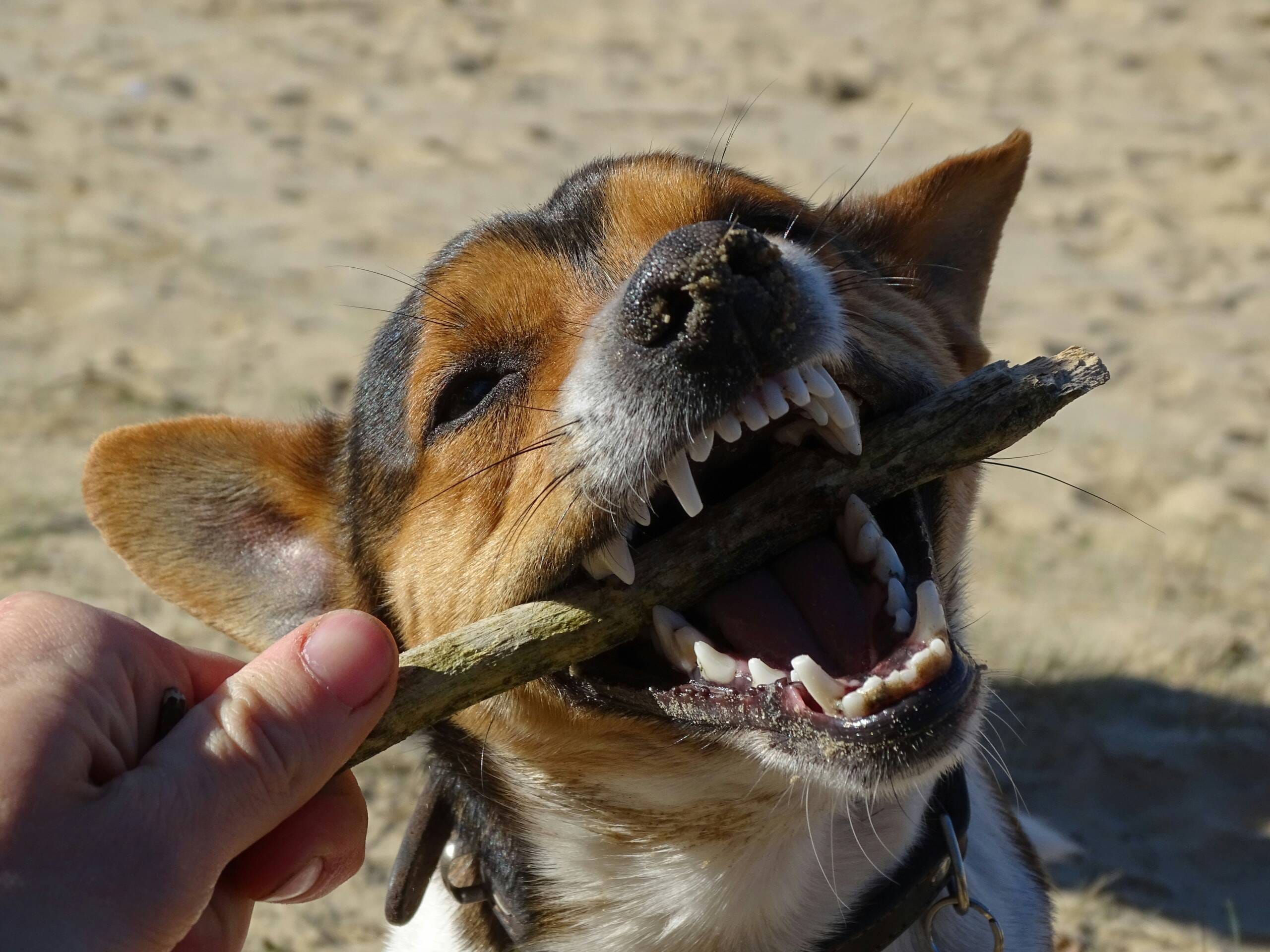
For your dog, good oral hygiene means the maintenance of their overall well-being. Bad breath is just an initial symptom arising due to plaque and tartar. It causes gum inflammation, pain, infection, and in extreme cases, the loss of teeth. When such instances occur, bacteria from the mouth can enter the bloodstream and cause more damage to these organs, such as the heart, liver, and kidneys.
This guide explains why dog teeth cleaning matters, how to build an efficient home-care routine, and when to take them to the veterinarian, so the dog can have a lifetime of healthy teeth and gums.
Understanding Dog Dental Health
Adult dogs typically have 42 teeth designed for cutting, tearing, and grinding. The visible crown is covered in enamel; below the gumline, the root anchors the tooth in the jaw. The periodontium (gums, periodontal ligament, and supporting bone) keeps teeth stable.
- Common Problems: Plaque (a soft biofilm) mineralizes into tartar (calculus) within days. Tartar and bacteria irritate the gums, causing gingivitis, which can progress to periodontal disease, loss of the tissues that support teeth. Fractured teeth, resorptive lesions, and retained baby teeth are also common.
- Warning Signs: Watch for persistent bad breath, red or bleeding gums, yellow-brown tartar, drooling, pawing at the mouth, dropping food, preference for soft foods, or behaviour changes like irritability. Any swelling of the face, loose teeth, or pus along the gumline requires veterinary attention.
Consistent teeth cleaning for dogs stops plaque before it hardens into tartar, preventing most dental disease.
How Often Should You Clean Your Dog’s Teeth?
Brushing daily is the gold standard; 3-4 times per week is the minimum to meaningfully reduce plaque. Think of it like your own routine; consistency beats intensity.
At-home vs. Professional Care
Daily at-home dog dental care (brushing, dental chews, rinses) controls plaque and keeps toothpaste from forming. While professional cleanings under anesthesia allow a proper assessment of the entire oral cavity, dental X-rays, thorough scaling beyond the gums, polishing against future problems, and treatment of hidden issues. Both cleaning steps are considered complementary to one another.
Age and Breed Considerations
- Being small or toy breeds (Yorkies, Chihuahuas) tend to have crowding of the teeth and early periodontal disease, so start early and be vigilant.
- Brachycephalic breeds (French Bulldogs, Pugs) or underbite dogs collect more debris in the mouth and should have more frequent cleanings.
- Advanced periodontal disease is common in seniors; a tailored plan from your vet is essential.
- Puppies can undergo desensitization to handling once they are home; from the eruption of their adult teeth (about 6 months), they should be gently brushed.
Tools and Products for Dog Teeth Cleaning
- Toothbrushes: Use a dog-specific soft-bristled brush sized for your pet. Finger brushes can help when starting, but a bristle brush usually cleans better along the gumline.
- Toothpaste: Always use canine toothpaste, never human toothpaste (many contain xylitol or high fluoride levels that are unsafe for dogs). Flavours like poultry or malt increase acceptance.
- Adjuncts:
- Dental Chews: Look for products with the Veterinary Oral Health Council (VOHC) seal for plaque/tartar control.
- Water Additives and Oral Gels/Rinses: Helpful for dogs that resist brushing or as a supplement on non-brushing days.
- Dental Toys: Textured rubber or rope toys can offer mild mechanical cleaning, ensuring they’re durable and appropriately sized.
- Avoid Very Hard Objects: For instance, antlers, cooked bones, and hard nylon can fracture teeth. Use the thumbnail test: press your thumbnail into the chew toy surface. If you can’t leave an indentation, the toy is too hard.
Step-by-Step Guide to Brushing Your Dog’s Teeth
- Set the Stage: Pick a calm time. Sit at your dog’s level in a good light. Keep sessions short (1-2 minutes) and positive.
- Desensitize Gradually:
-
-
- Day 1-2: Let your dog lick a pea-sized dab of toothpaste from your finger.
- Day 3-4: Gently lift the lip; touch the toothpaste to the outer surfaces of a few teeth. Reward your dog.
- Day 5+: Introduce the brush for a few seconds at a time, building up slowly.
-
- Use the Right Technique:
-
-
- Angle bristles at 45 degrees to the gumline to target the plaque margin.
- Focus on the outer (cheek) surfaces, that’s where plaque accumulates most.
- Use small circular motions; two to three seconds per tooth group is enough.
- Aim for 30-60 seconds total per side; perfection is less important than consistency.
-
- Positive Reinforcement: Pair brushing with high-value treats, praise, or a short play session. End before your dog gets restless.
- Tips for Anxious or Uncooperative Dogs: Start with a flavoured gauze wrapped around your finger, move to a finger brush, then a bristle brush. Try different toothpaste flavours, brush one quadrant per day, or brush after exercise when your dog is calmer.
Professional Dental Care
It’s crucial to see a veterinarian if you notice the following signs:
- Visible tartar, red or bleeding gums, broken or discoloured teeth.
- Bad breath that persists despite regular brushing.
- Pain signs (crying when eating, dropping food) or facial swelling.
- Annual wellness visits; many dogs need professional cleaning every 1-2 years, more often for high-risk breeds.
Here’s what to expect from a professional cleaning:
- Pre-anesthetic exam and bloodwork tailored to your dog’s age/health.
- General anesthesia for pain-free, motion-free care and airway protection.
- Dental radiographs (X-rays) are used to detect disease below the gumline.
- Full scaling (above and below the gums), polishing, and fluoride or sealant as indicated.
- Extractions or periodontal therapy if needed, followed by pain control and home-care instructions.
Our modern anesthetic protocols and monitoring make procedures very safe for most pets. Your vet will discuss risks, benefits, and a personalized plan.
Alternative Dental Care Options
While brushing is best, these options add meaningful support:
- Dental Chews and Toys: VOHC-accepted chews can reduce plaque and tartar when used daily.
- Water Additives and Dental Sprays: Chlorhexidine or zinc-based products can lower bacterial load; use as directed.
- Dental Diets: Some veterinary and premium diets use fibre matrices or kibble geometry to scrub teeth as dogs chew. Ask your vet if a dental diet suits your dog’s needs.
Remember that alternatives complement dog teeth cleaning with a brush; they rarely replace it.
Prevention Tips and Long-Term Care
- Build a Routine: Tie brushing to a daily cue (after the evening walk or before bedtime). Keep the brush and paste somewhere visible to prompt the habit.
- Monitor Changes: Do monthly “lip lifts” to check for redness, swelling, chipped teeth, or foul odour. Log what you notice; photos help track progress.
- Combine Strategies: A practical plan might be: brush 4-5 days per week, plus VOHC chew daily, plus water additive on non-brushing days, plus annual dental exam.
Tailor it to their life stages:
- Puppies: Make mouth handling fun; schedule a baseline dental check after adult teeth erupt.
- Adults: Maintain the routine; add professional cleanings as advised.
- Seniors: Expect more frequent checkups; pain control and gentle products become more important.
Winter dryness in Canada also dehydrates your dog, resulting in a few drops, possibly from little to no salivation, thus rendering water ever so essential alongside its dental routine. Whenever you move from one province to another or change vets, dental records should be carried along for continuity.
Regular dog teeth cleaning is a high-impact habit that can immensely benefit your pet in return. Most dental diseases can be prevented by brushing at home daily or nearly daily, with some dental chews and adjuncts (approved by VOHC); this maintains fresh breath, a pain-free mouth, and a shiny smile. This at-home care should be paired with timely professional cleanings and checkups to ensure healthy chewing and happy grinning for your dog for life.
Healthy mouth, healthy dog. Your routine today is good for preventing problems tomorrow. If you’re just starting on your dog’s teeth cleaning, take a soft brush and a flavour your dog likes, and aim for one minute tonight.