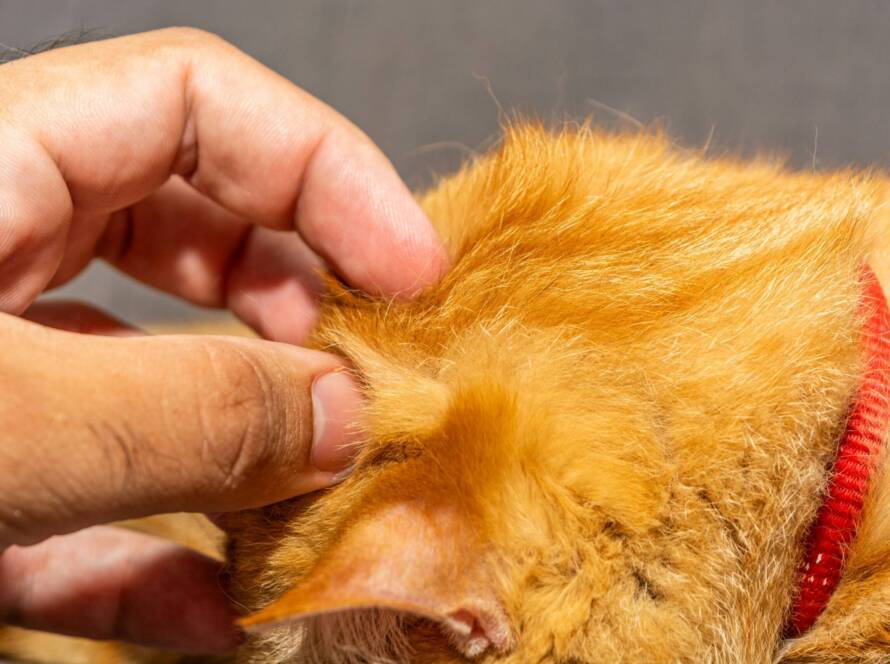
Stomatitis in cats is a common yet often painful condition affecting the mouth, gums, and surrounding soft tissues. This condition leads to swelling, painful ulcers, and can significantly impact your cat’s quality of life. In this comprehensive guide, we will delve into the causes, symptoms, diagnosis, and treatment options for stomatitis in cats, referencing authoritative research to provide pet owners with the best practices for prevention and care.
What is Stomatitis in Cats?
Stomatitis in cats refers to inflammation of the tissues inside the mouth, typically affecting the gums, inner cheeks, and roof of the mouth. It is a chronic and painful condition that often leads to ulcers, redness, and swelling. Stomatitis can significantly impair a cat’s ability to eat, groom, and maintain its normal behavior, causing distress.
While stomatitis can affect the entire oral cavity, it primarily impacts the gingival tissues, the areas around the teeth, and the back of the mouth. If left untreated, the condition can worsen and become a recurring problem.
Chronic stomatitis is more common in adult cats, especially those with poor dental hygiene or certain underlying health conditions. Early intervention and proper management are key to reducing the severity and preventing recurrence.
Causes of Stomatitis in Cats
The causes of stomatitis in cats are diverse, and several factors can contribute to the development of the condition. Here are the most common causes:
1. Immune-Mediated Response
One of the most common causes of stomatitis in cats is an immune-mediated response, where the immune system mistakenly attacks the tissues in the mouth. This inflammatory reaction is often triggered by dental plaque or other irritants. The immune system recognizes plaque as harmful and starts attacking the gums, leading to painful inflammation and ulcers. This condition is frequently seen in cats with chronic gingivitis.
2. Dental Disease
Poor dental health is another significant contributor to stomatitis in cats. Severe gingivitis, periodontal disease, and tooth infections are all conditions that can lead to stomatitis. Cats with heavy plaque build-up are more likely to develop this condition, as plaque and tartar irritate the gums and surrounding tissues, causing inflammation and ulceration.
3. Feline Calicivirus
Feline calicivirus (FCV) is a viral infection that is known to cause stomatitis in cats. This virus is highly contagious and often leads to severe inflammation in the mouth, including ulcerations on the tongue and gums. FCV can also cause respiratory symptoms like sneezing and nasal discharge.
As explained by Cornell University’s College of Veterinary Medicine, FCV is one of the primary causes of stomatitis in cats, particularly in multi-cat households where the virus is more likely to spread. Cats infected with FCV may develop persistent stomatitis that is difficult to treat without antiviral medications.
4. Other Causes
Other potential causes include:
- Trauma to the mouth: Any injury or trauma, such as chewing on hard objects, can cause oral wounds and lead to stomatitis.
- Underlying health conditions: Cats with feline leukemia (FeLV) or feline immunodeficiency virus (FIV) have a weakened immune system, making them more susceptible to developing stomatitis.
- Genetic predisposition: Some cats, especially certain breeds like Persians and Siamese, are genetically predisposed to developing stomatitis.
Symptoms of Stomatitis in Cats
Recognizing the symptoms of stomatitis is essential for timely treatment. The signs can range from mild to severe, depending on the extent of inflammation. Here are the common symptoms:
Oral Symptoms:
- Gum and inner cheek redness and swelling
- Ulcers or lesions on the gums, roof of the mouth, or tongue
- Excessive drooling or foaming at the mouth
- Difficulty eating or chewing, often resulting in a preference for soft food
- Bad breath (halitosis), often caused by infection or ulceration
Behavioural Symptoms:
- Increased irritability or sensitivity, especially when the mouth is touched
- Decreased appetite or refusal to eat, particularly hard food
- Pawing at the mouth or face, indicating discomfort
- Weight loss due to decreased food intake
Severe Cases:
- Bloody saliva or difficulty swallowing
- Visible mouth sores that may become infected
Diagnosing Stomatitis in Cats
The diagnosis of stomatitis typically involves several steps:
- Veterinary examination: A thorough oral examination to check for redness, ulcers, and other signs of inflammation.
- Dental x-rays: X-rays are used to detect any underlying dental issues, such as tooth infections, abscesses, or bone loss around the teeth, which can contribute to the condition.
- Blood tests: These help rule out systemic diseases such as FeLV or FIV, which may be contributing factors.
- Viral testing: If calicivirus is suspected, your vet may perform specific tests to detect the virus.

Treatment Options for Stomatitis in Cats
There are several treatment options available, depending on the severity and underlying causes of stomatitis.
1. Dental Treatment
The first line of treatment often involves professional dental care:
- Tooth extractions: In severe cases, extracting affected teeth may be necessary, especially if the teeth are contributing to inflammation and pain.
- Dental cleanings: Regular professional cleanings can help reduce plaque and tartar buildup, preventing future flare-ups.
2. Anti-Inflammatory and Pain Management
To manage inflammation and pain, your vet may recommend:
- Pain medications: Nonsteroidal anti-inflammatory drugs (NSAIDs) and other pain relievers can help alleviate discomfort.
- Steroids: These may be used to reduce inflammation in immune-mediated cases, but they must be monitored closely due to potential side effects.
3. Antiviral or Antibacterial Treatment
If an underlying viral infection like calicivirus is diagnosed, antiviral treatments may be prescribed. Similarly, bacterial infections may require antibiotics.
4. Home Care
- Soft food diet: Feeding soft foods can reduce pain during meals, helping your cat maintain a healthy weight.
- Dental hygiene: Brushing your cat’s teeth regularly or using dental wipes can help manage plaque buildup and prevent future problems.
5. Long-Term Management
- Routine check-ups: Regular veterinary visits and dental cleanings are crucial to monitor and manage the condition.
- Preventive care: Your vet may recommend specialized diets, dental treats, or water additives to help prevent plaque and tartar accumulation.
Preventing Stomatitis in Cats
While stomatitis cannot always be prevented, there are steps you can take to reduce your cat’s risk:
- Regular dental check-ups: Routine veterinary exams and professional cleanings are essential.
- Vaccinations: Keeping your cat up to date on vaccines, especially for calicivirus, can help prevent viral-induced stomatitis.
- Dental care at home: Brushing your cat’s teeth regularly, along with using dental treats or water additives, can help maintain oral health.
When to Consult a Veterinarian
Consult your veterinarian if your cat shows any of the following signs:
- Difficulty eating, excessive drooling, or refusal to eat
- Visible mouth sores or persistent bad breath
- Difficulty swallowing or bloody saliva
Stomatitis in cats is a painful condition that can have a significant impact on their health and quality of life. Recognizing the symptoms early and seeking prompt veterinary care is crucial for effective treatment. Regular dental care, routine veterinary visits, and proper management can help prevent recurrence and provide your cat with relief.
FAQs
Can stomatitis be cured in cats?
While stomatitis can be managed, it is often a chronic condition. Treatment may reduce flare-ups and improve quality of life, but it may not be entirely curable, especially in cases of immune-mediated stomatitis.
How can I manage my cat’s pain from stomatitis at home?
You can provide a soft food diet and consult your vet about appropriate pain medications. Regular at-home oral care can also help reduce discomfort.
Is stomatitis contagious to other pets?
Stomatitis itself is not contagious. However, if caused by calicivirus, the virus can spread to other cats. Keeping up with vaccinations is essential to prevent viral infections.