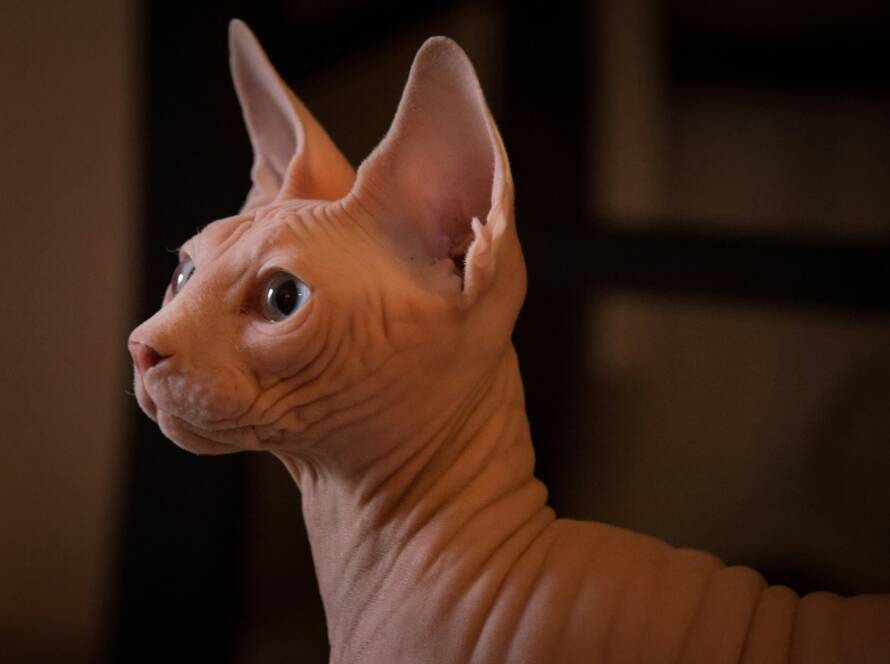
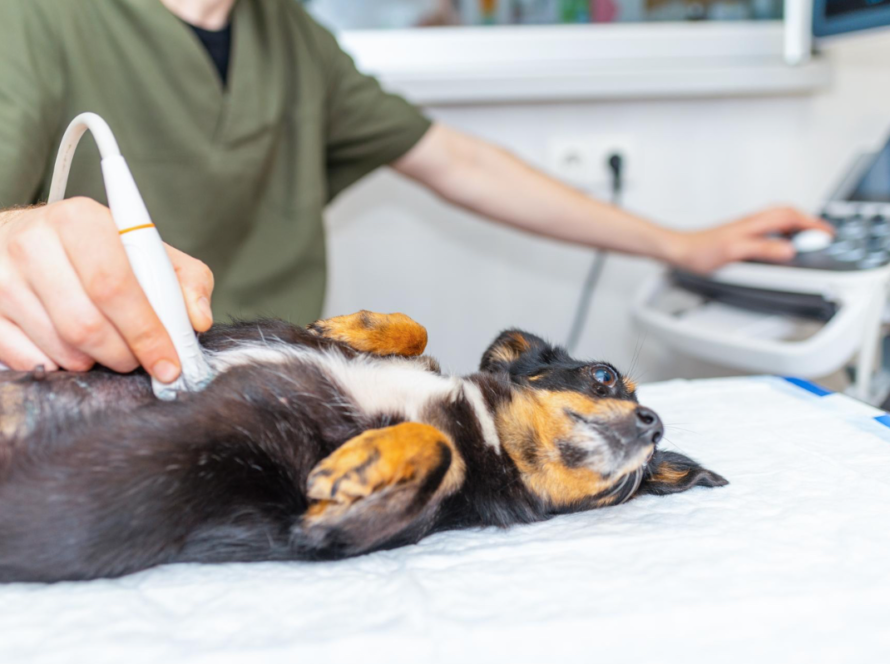
Flat-faced (brachycephalic) cats are easy to spot with their short noses, round faces, and big eyes, and demand for these breeds has surged in recent decades. Many owners choose them for their appearance and personality, and often feel very emotionally close to them. However, many people aren’t aware of common breed-related health risks (like breathing or eye issues) before adopting, which is why learning ahead of time matters.
A veterinarian can help you make an informed choice before you bring one home. York Veterinary Hospital is a full-service animal hospital in Toronto offering medical, surgical, and preventive wellness care focused on early detection.
What Is a Flat-Faced Cat?
“Brachycephalic” literally refers to a shortened head/skull shape. In practical terms, a cat with a flat face typically has a shortened muzzle, a rounder skull, wider-set eyes, and, in more extreme examples, smaller nostrils and extra facial skin folds.
What makes this trait medically important is that shortening the facial bones can change how the soft tissues of the nose and throat fit and function. Veterinary references on brachycephalic airway disease describe how altered skull shape can contribute to upper-airway narrowing (for example, narrowed nostrils and other upper-airway abnormalities), leading to increased effort to inhale, noisy breathing, and reduced tolerance for exertion or heat.
Because of the same “space mismatch” created by a smaller face, flat-faced cats can also experience knock-on effects involving teeth alignment, grooming, skin folds, and eye/tear drainage. Welfare-focused veterinary summaries describe associations with dental disease, grooming difficulties, chronic tearing (tear overflow and staining), and a higher risk of painful eye problems, especially in more extreme forms of brachycephaly.
Common Flat-Faced Cat Breeds
Not every “cat with a flat face” has the same degree of brachycephaly. Even within a breed, facial flatness can vary, some cats have a shorter nose with minimal functional impact, while others have more extreme facial anatomy and a higher risk of health problems.
Persian cats are often considered the classic flat-faced breed. Breed information from the cat Fanciers’ Association describes Persians as having a round head and short nose, with a “sweet” and quiet temperament and it emphasizes that owning one requires a serious grooming commitment (including eye cleaning for staining). The same source also notes that past selection for refined features contributed to smaller nostrils and breathing issues, prompting breeders to remove affected cats from breeding programs.
Exotic Shorthairs are frequently described as the “short-coated” counterpart to the Persian type. The Cat Fanciers’ Association breed profile explains that Exotics were developed to preserve the Persian look while reducing coat-maintenance demands, and it similarly highlights a typically sweet, affectionate, quiet personality.
Himalayan cats (often grouped with Persian-type cats depending on the registry) combine a Persian-like body and coat with colorpoint patterning and blue eyes. The International Cat Association describes Himalayans as gentle and affectionate, and it specifically notes that owners of Persian/Himalayan/Exotic-type cats should discuss screening for conditions such as polycystic kidney disease (PKD) and evaluate risks like respiratory and eye problems; it also notes the need for daily coat care and regular facial cleaning due to tear staining.
British Shorthairs (some lines) can have a notably round face and large eyes, but well-written standards emphasize balance (not extremes). The Cat Fanciers’ Association standard describes a medium, broad nose with wide-open nostrils and explicitly states that no feature should be exaggerated in a way that fosters weakness or extremes. In other words, some individuals may look rounder or shorter-nosed, but the goal is not an extremely flattened profile.
Scottish Folds (round-faced varieties) are sometimes included in discussions of flat-faced breeds because some individuals have a very round head and a shorter-looking face. However, the defining feature of the Scottish Fold is folded ears, and veterinary welfare literature stresses that the same mutation responsible for folded ears is also associated with osteochondrodysplasia, a serious cartilage and bone disorder that can cause progressive arthritis, chronic pain, and lifelong mobility issues.
Burmese and other short-nosed types may be described as “short-muzzled” rather than extremely flat-faced, but some individuals still fall into a brachycephalic spectrum. Breed standards describe a rounded head with a broad, well-developed short muzzle and a visible “nose break.” Veterinary airway guidance also lists Burmese among the most recognized brachycephalic cat breeds, reinforcing that short-nosed conformation can be clinically relevant.
How to Find Ethical Flat-Face Cat Breeders
If you’re searching online for flat face cat breeders, it helps to start with one guiding principle: health and function should come before exaggeration. Animal welfare guidance warns that selective breeding for increasingly extreme facial traits can push cats beyond what is “normal” feline anatomy and increase the risk of painful health issues.
Many professional guidelines for responsible cat breeding point to similar “best practice” themes: breeding animals should be health-checked by a veterinarian, breeders should understand the welfare risks of extreme conformations, and they should avoid breeding for extremes of physical type. These expectations appear in international guidance endorsed by the EU Platform on Animal Welfare. A major feline veterinary organization, FelineVMA, goes further, stating it does not support breeding when welfare is compromised and explicitly discouraging breeding for severe brachycephaly or inherent malformations.
In Canada, practical breeder quality indicators are also laid out in guidance from the Canadian Veterinary Medical Association, including: being willing to show the parents, maintaining clean facilities, providing vaccine records, offering relevant health clearances, keeping kittens to an appropriate age before placement, and providing a written health guarantee and contract. Breed registry ethics statements align with these expectations, such as breeder codes in major registries and the Canadian Cat Association code of ethics, emphasizing hygiene, veterinary care, contracts, and avoiding third-party sales channels like pet stores.
Health testing matters even more for Persian-type lines because some inherited diseases are well documented. For example, PKD1 (polycystic kidney disease) is an inherited disorder commonly seen in Persians and cats with Persian ancestry; genetic testing is widely available, and veterinary sources describe how kidney cysts can progress and contribute to kidney failure later in life.
When interviewing breeders, use questions that uncover transparency and health priorities:
- What health testing do you do on breeding cats (and can you share results in writing)?
- How do you select for open nostrils/better breathing and avoid extreme facial flattening?
- What is your vaccination and veterinary exam schedule for kittens before they go home?
- What does your contract guarantee (and what support do you provide after adoption)?
- Can I visit (or video tour) where the cats live and meet at least the mother?
These are consistent with the breeder responsibilities emphasized across veterinary and registry guidance: veterinary oversight, documentation, and honest disclosure.
Caring for a Cat With a Flat Face
Flat-faced cats can thrive, but they often do best with proactive daily care and routine veterinary monitoring, because small problems (like mild airway noise, tear overflow, or early dental disease) can become bigger over time.
- Breathing and heat management are foundational. Veterinary airway guidance notes that breathing signs can worsen in hot or humid weather, and that conservative management may include controlling exercise levels, avoiding heat/humidity, keeping cats in air-conditioned areas during summer, and minimizing stress; weight loss is also emphasized when obesity is a factor. Even cattery-operation guidance from the Canadian Veterinary Medical Association flags that ideal indoor temperatures may need to be lower for full-coated brachycephalic breeds, reflecting real-world heat sensitivity concerns.
- Grooming is the second cornerstone. Long-coated breeds like Persians and Himalayans need frequent brushing to prevent matting, plus routine eye/face cleaning if tear staining is present. Flat-faced cats may also have skin folds around the nose; veterinary airway resources and welfare summaries note that infections can develop in these folds, which is why gentle cleaning and monitoring for redness or odor matters.
- Dental care is the third pillar. Brachycephalic conformation can contribute to malocclusion, overcrowding, and periodontal problems; welfare guidance notes that flat-faced cats can have the same number of teeth in a smaller space, increasing the risk of dental disease and pain. Professional dental evaluations are often the safest way to understand what’s happening below the gumline; York Veterinary Hospital describes its dental service as focused on complete dental examinations and early detection of dental problems.
- Finally, plan on regular veterinary visits, even if your flat-faced cat seems “fine.” Welfare guidance specifically advises regular vet checks for brachycephalic cats and monitoring breathing, eyes, skin, and weight. York Veterinary Hospital’s wellness exam model similarly emphasizes prevention and early detection with individualized care plans and full-body assessments (including eyes, heart, and lungs).
Health Considerations and When to Call Your Vet
The most recognized concern in flat-faced cats is brachycephalic obstructive airway syndrome (BOAS) (also called brachycephalic airway syndrome). Veterinary explanations describe BOAS as a set of upper-airway abnormalities that can include narrowed nostrils (stenotic nares), elongated soft palate, everted laryngeal saccules, and a smaller-than-normal trachea. Clinical signs may include noisy breathing, snoring, mouth breathing, tiring easily, or even collapse after exertion, often worse in hot or humid weather.
Importantly, BOAS isn’t just an “airway issue.” Veterinary sources note associations with other systems, such as gastrointestinal signs (vomiting/regurgitation, including potential hiatal hernia from chronic negative airway pressure), dental problems from malocclusion/underbite, chronic tearing and tear staining, and skin infections in facial folds. Welfare-focused reviews on Persian brachycephaly also describe how extreme skull shape can contribute to tear overflow and skin inflammation, grooming difficulties, and increased risk of painful eye disease (including corneal ulcers and corneal sequestra).
Research also supports that a “shorter face” can correlate with “more breathing difficulty.” A large owner-questionnaire study using cat photos to measure facial conformation found that shorter muzzle measures were significantly associated with higher owner-reported respiratory scores; respiratory score was also associated with tear staining and more sedentary lifestyle reports. A separate brachycephalic ownership study reported that respiratory disorders were perceived as the main health problem in these breeds, while many owners had not anticipated that risk before purchase.
Contact your veterinarian promptly if you notice:
- Mouth breathing at rest, open-mouth breathing, or repeated breathing distress
- Fainting/collapse with play, or sudden exercise intolerance
- Persistent eye discharge, squinting, light sensitivity, or pawing at the eye
- Difficulty eating/chewing, drooling, or obvious oral pain
- Red, moist, smelly skin folds around the nose or face
These signs map closely to the airway, dental, eye, and skin problems described in veterinary BOAS resources and welfare summaries and early assessment often gives you more options for management.
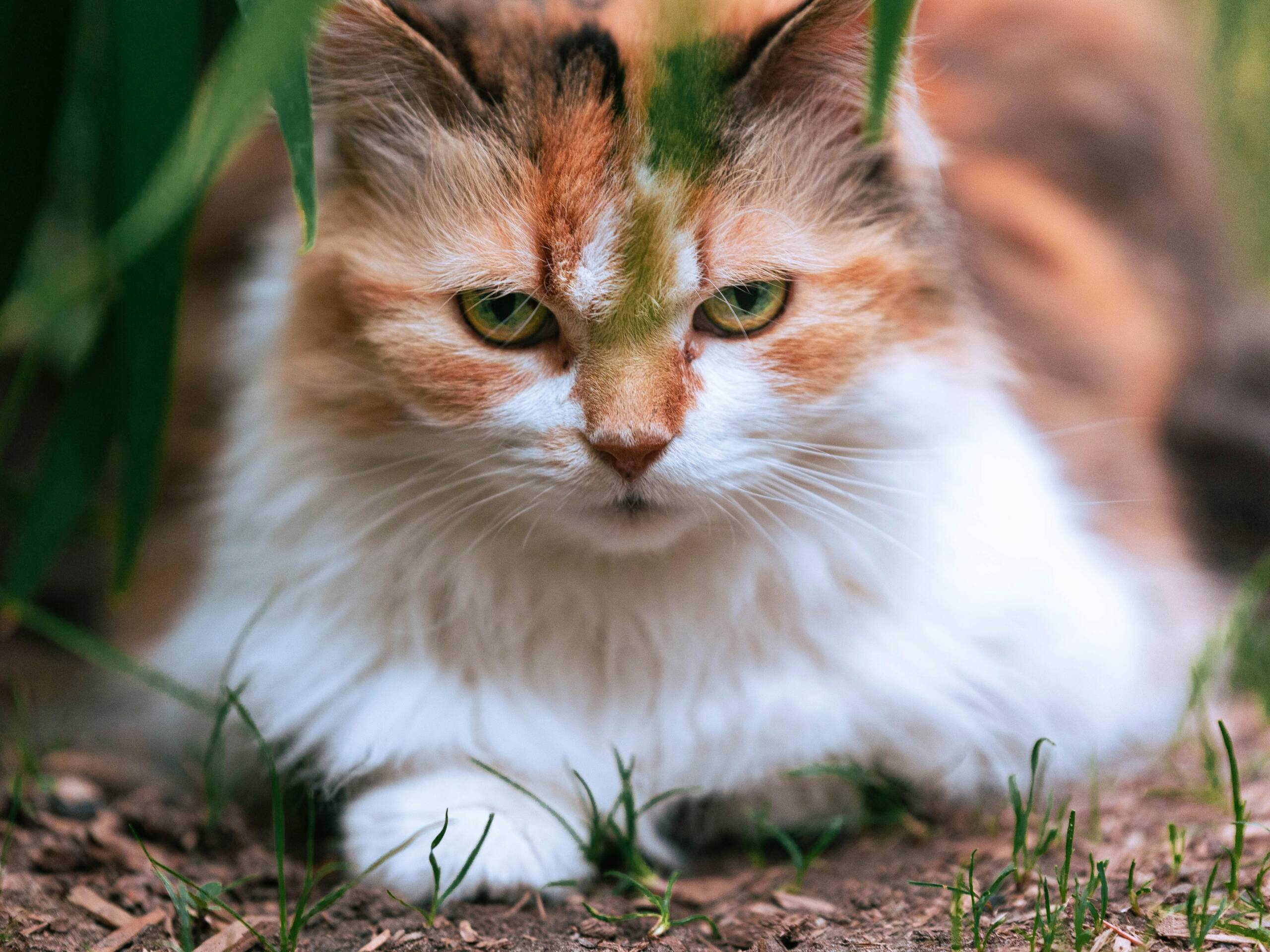
Choosing the Right Flat-Faced Cat for You
Choosing among flat-faced cat breeds is less about picking “the cutest face” and more about matching a cat’s needs to your lifestyle.
If you want a long-coated Persian-type cat, budget time for daily coat work and routine eye/face cleaning. If you love the Persian look but want a lower-maintenance coat, an Exotic can reduce (not eliminate) grooming demands, while still carrying some of the same flat-faced health considerations.
Also consider your environment and schedule: brachycephalic cats may do better with climate-controlled comfort during summer, gentle play patterns, and owners who can notice subtle changes. And because flat-faced cats can be at greater risk for costly medical needs, it’s wise to plan financially for routine care (wellness exams, dental monitoring) and unexpected respiratory or eye issues.
Flat-faced cat breeds are beloved for their striking, round features and often calm, affectionate temperaments, but the same brachycephalic traits that create that look can come with meaningful health considerations.
The best outcomes come from two choices made early: selecting responsible, health-focused breeding (avoiding extreme facial exaggeration and prioritizing health screening) and committing to preventive, routine care for breathing, eyes, skin folds, and dental health.
With thoughtful planning, and guidance from a veterinary team experienced in preventive care and individualized wellness plans, many flat-faced cats can live comfortable, happy lives.