As pet owners, we all want to do what’s best for our dogs. When our furry friends suffer from allergies or discomfort, we often seek quick relief options. One common medication that often comes up is Benadryl, also known by its generic name diphenhydramine. But before you reach for the medicine cabinet, you may be wondering: can I give my dog Benadryl, and is it safe for dogs? Here’s a comprehensive guide on what every dog owner should know.
Is Benadryl Good for Dogs?
Benadryl (diphenhydramine) is an antihistamine commonly used to treat allergies, itching, and other mild symptoms. It works by blocking histamine receptors, reducing allergic reactions and inflammation in the body. Vets often recommend Benadryl for certain conditions in dogs. It is a safe, over-the-counter medication when used properly and with veterinary guidance.
Some common uses of Benadryl for dogs include:
- Allergies: Dogs can suffer from seasonal and environmental allergies that result in itching, sneezing, and watery eyes. Benadryl can alleviate these symptoms.
- Itching: If your dog is dealing with mild itching, especially from allergies, Benadryl can help soothe the discomfort.
- Mild Environmental Reactions: If your dog has an adverse reaction to something in their environment, like pollen or dust, Benadryl can assist in calming the allergic response.
- Bug Bites or Bee Stings: Benadryl can provide relief from the swelling and itching caused by insect bites or stings.
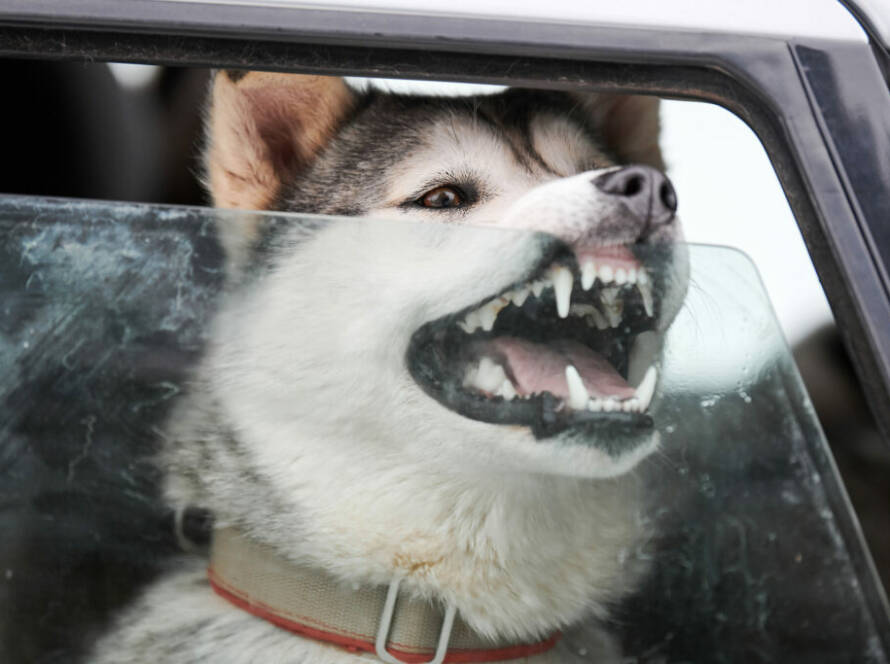
- Motion Sickness: Benadryl can also help with motion sickness during car rides or other travel situations, but not all dogs react the same way.
When Benadryl Is Not Safe
While Benadryl can be beneficial in certain cases, it isn’t suitable for every dog. There are specific scenarios in which you should avoid giving your dog Benadryl:
- Certain Medical Conditions: If your dog has underlying health issues like heart disease, high blood pressure, or glaucoma, you should consult your vet before administering Benadryl.
- Brachycephalic Breeds: Dogs with short noses (such as bulldogs, pugs, and boxers) can have different reactions to medications, including Benadryl. They may experience more difficulty breathing, so it’s essential to talk to your vet first.
- Dogs on Certain Medications: If your dog is on sedatives, antidepressants, or any other medication that could interact with Benadryl, avoid administering it without your vet’s approval.
Types of Allergies Benadryl Can Help
Benadryl is most effective for treating specific types of allergies in dogs. These include:
- Seasonal Allergies: Like humans, dogs can suffer from seasonal allergens such as pollen, which can lead to itching, sneezing, and watery eyes. Benadryl can alleviate these symptoms.
- Environmental Allergies: Dogs may be allergic to things like dust, grass, or mold, which can cause irritation. Benadryl is effective for relieving these allergic reactions.
- Mild Food-Related Itching: While Benadryl is not a cure for food allergies, it can help with mild itching caused by food sensitivities.
- Histamine Reactions (e.g., Insect Bites): Benadryl can also help treat the itching and swelling caused by insect bites or bee stings.
Allergy Symptoms: Benadryl May Reduce
Benadryl is most effective in reducing symptoms related to environmental or seasonal allergies. These include:
- Itching: A common symptom of allergies in dogs, especially from insect bites or pollen.
- Red Skin: Allergies can cause irritation and redness, which Benadryl helps to soothe.
- Sneezing: Benadryl can help reduce sneezing caused by allergies.
- Watery Eyes: If your dog suffers from watery eyes due to allergies, Benadryl may help alleviate this symptom.
- Swelling: In cases of bug bites or mild allergic reactions, Benadryl can help reduce swelling.
Symptoms Benadryl Will Not Fix
While Benadryl is effective for treating mild allergy symptoms, it is not a cure-all. Here are some conditions that Benadryl will not fix:
- Ear Infections: Benadryl will not treat ear infections caused by bacteria or yeast.
- Hot Spots: These are often caused by infection and require specific treatment beyond antihistamines.
- Severe Food Allergies: Benadryl can help with mild itching, but it is not effective for severe food allergies.
- Skin Infections: If your dog has a bacterial or fungal skin infection, Benadryl will not help.
- Deep Swelling (Anaphylaxis): If your dog is experiencing a severe allergic reaction, such as anaphylaxis, immediate veterinary care is needed. Benadryl is not a substitute for emergency care.

Side Effects of Benadryl in Dogs
Like all medications, Benadryl comes with potential side effects. The most common side effects in dogs include:
- Drowsiness: Benadryl can cause dogs to become sleepy or lethargic, which may be a helpful effect if your dog is anxious or suffering from motion sickness.
- Dry Mouth: Some dogs may experience a dry mouth when taking Benadryl.
- Sluggishness: Dogs may become less active than usual while on Benadryl.
Less common or concerning side effects include:
- Agitation or Hyperactivity: While Benadryl is known for calming effects, in some dogs, it can cause the opposite: hyperactivity or restlessness.
- Trouble Urinating: Some dogs may experience difficulty urinating while on Benadryl.
- Rapid Breathing: This can be a sign of an adverse reaction or overdose.
- Vomiting or Diarrhea: Though rare, some dogs may experience gastrointestinal upset when taking Benadryl.
Serious warning signs that require immediate veterinary attention include:
- Collapse: If your dog collapses after taking Benadryl, seek emergency care.
- Tremors: Tremors or seizures can occur as a result of an overdose.
- Trouble Breathing: Difficulty breathing is a serious side effect that demands immediate attention.
- Severe Lethargy: If your dog is overly lethargic or unresponsive, contact your vet.
When NOT to Give Benadryl to Your Dog
Certain health conditions and medications make it unsafe to administer Benadryl. These include:
- Heart Disease: Benadryl may exacerbate heart problems in dogs with pre-existing heart disease.
- High Blood Pressure: Dogs with high blood pressure may react poorly to Benadryl.
- Glaucoma: Benadryl can increase the risk of complications in dogs with glaucoma.
- Prostate Issues: Male dogs with prostate problems may experience negative side effects from Benadryl.
- Pregnant or Nursing Dogs: Pregnant or nursing dogs should avoid Benadryl unless prescribed by a veterinarian.
Medication Interactions
Benadryl can interact with other medications, so always consult your vet if your dog is on any of the following:
- Sedatives: Benadryl may increase the sedative effects of other drugs.
- Anxiety Medications: Combining Benadryl with anxiety medications could intensify drowsiness or sedation.
- Antidepressants: Be cautious when giving Benadryl to dogs on antidepressants, as interactions can occur.
- Steroids: If your dog is on steroids, Benadryl might increase the risk of side effects.
Situations Requiring Immediate Veterinary Care
If your dog experiences any of the following, seek emergency veterinary care immediately:
- Facial Swelling: This could be a sign of an anaphylactic reaction.
- Difficulty Breathing: This is another sign of a severe allergic reaction.
- Major Allergic Reaction: If your dog’s condition worsens rapidly after taking Benadryl, contact your vet.
- Severe Itching with Bleeding: This could indicate a severe allergic reaction or skin infection.
Benadryl can be an effective medication for treating certain allergies and mild discomfort in dogs, but it is crucial to use it responsibly and under the guidance of a veterinarian. Always ensure you’re aware of your dog’s specific health conditions, the correct dosage, and any possible drug interactions before administering Benadryl. If in doubt, it’s always best to consult your vet to ensure the health and well-being of your beloved companion.
FAQs About Dogs and Benadryl
How fast does Benadryl work in dogs?
It usually takes about 30 minutes to an hour for Benadryl to start working in dogs.
Can a dog overdose on Benadryl?
Yes, an overdose of Benadryl can be dangerous, leading to symptoms such as tremors, rapid breathing, and even seizures.
Can I give Benadryl long-term?
Long-term use of Benadryl is not recommended unless prescribed by a veterinarian for chronic conditions.
Is children’s liquid Benadryl safe for dogs?
While children’s liquid Benadryl may be safe in the correct dose, always consult your vet first.
Can puppies take Benadryl?
Puppies can take Benadryl, but always consult your vet for the appropriate dosage.
Can Benadryl calm a dog during travel or fireworks?
Yes, Benadryl can help calm some dogs during stressful situations like travel or fireworks, but consult your vet first to ensure it’s safe for your pet.
What should I do if Benadryl isn’t helping my dog?
If Benadryl isn’t providing relief, contact your vet for a more suitable treatment plan.