Ever felt that icy touch of your dog’s nose? We all have. It makes you wonder, doesn’t it? Is it a health indicator? A sign of something more? Let’s clear up the mystery! We’ll explore why their noses are often chilly, what ‘normal’ really means, and when a vet visit is a must.
That cool nose comes from a brilliant natural cooling system: evaporation. Moisture is key, not just for temperature, but for their world-class sense of smell. But remember, while a cold, damp nose can signal health, it’s not the whole story. Pay attention to your dog’s energy, appetite, and those telltale behaviours, they’re much better clues!
Why Is a Dog’s Nose Cold?
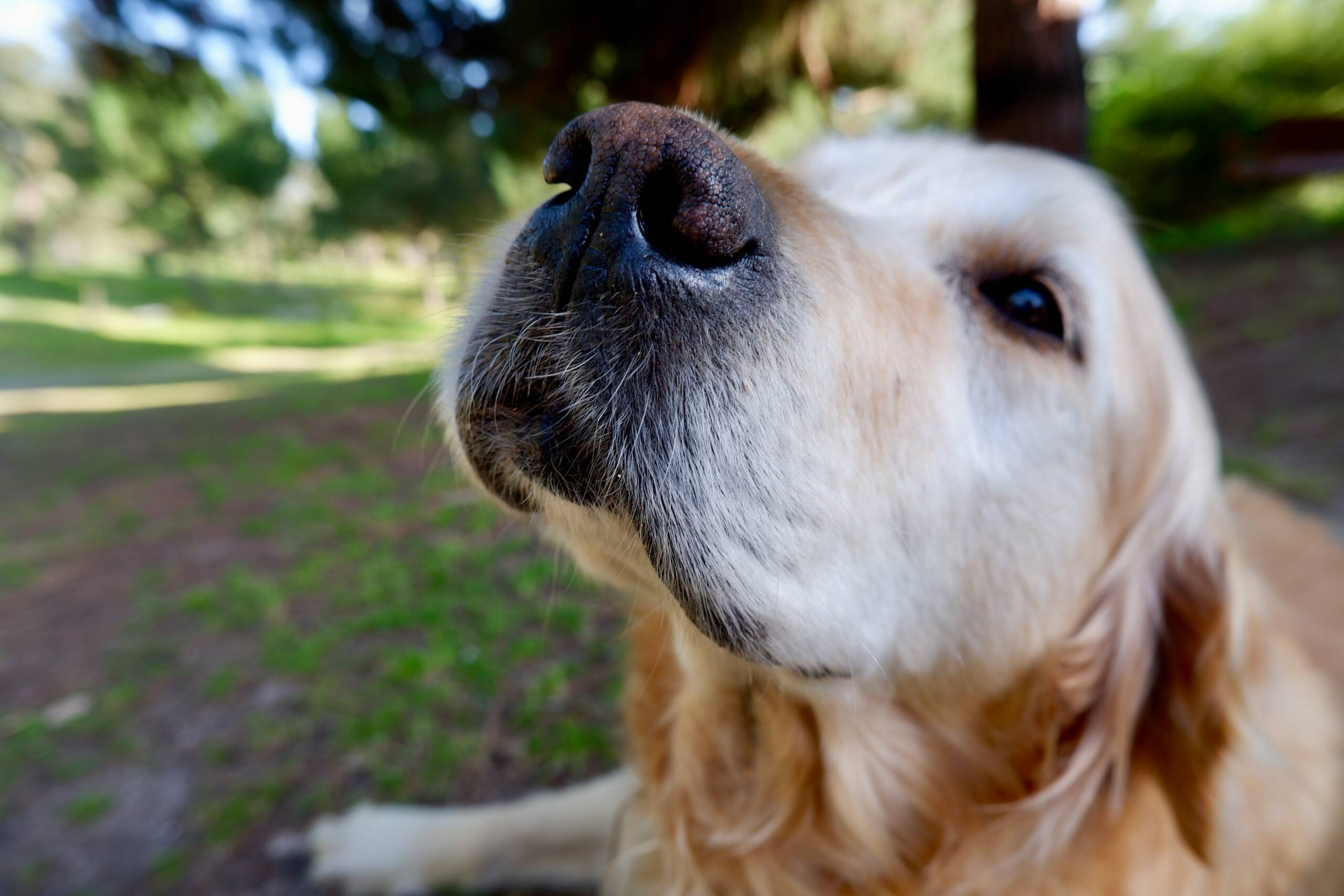
That amazing sniffer isn’t just for finding treats! Its temperature actually helps it do its job. Here’s the scoop:
- Evaporation and Mucus Layer: That thin layer of mucus is a cooling superstar. Just like sweating cools us down, moisture evaporating from your dog’s nose takes heat away, keeping things refreshingly cool.
- Frequent Licking: Constant licking isn’t just a funny habit; it’s a temperature regulator! Keeping that nose constantly moistened helps keep it cool.
- Role in Smell: Believe it or not, a moist, cold nose supercharges their sense of smell! That moisture traps scent particles, making them easier to analyze. Think of it like a wet cloth grabbing dust better than a dry one.
Cold vs. Warm: What’s Normal?
So, cold is typical, but what’s truly normal?
- Noses Fluctuate: Just like our body temperature changes throughout the day, so does your dog’s nose! Sleep, sunbathing, and even the central heating can all affect it.
- Cold is Good, Warm is Bad, Myth Busted! A cold nose doesn’t automatically mean “healthy,” and a warm one isn’t a guaranteed sign of illness.
- Behaviour Speaks Volumes: More often than not, how your dog is acting is far more important than nose temperature. Are they eating well and happy? Are they energetic and playful? Is their breathing normal? Those are the vital signs to watch.
Common Causes of a Cold, Wet Nose
Why does your dog sport that consistently cool snoot?
- Environment: The most common reason! A cold day, a refreshing drink from the water bowl, anything that cools the nose down. Think of your own nose running when you come in from the cold; same idea.
- Licking Habits: Licking helps regulate the temperature.
- Breed and Anatomy: Believe it or not, nose shape matters! A pug, with that adorable short snout, can’t lick its nose as easily as a long-nosed collie. That affects moisture and temperature.
- Seasonal Effects: Seasonal changes can significantly affect how dry your nose feels.
- Winter: Heaters (central heating, space heaters) are major culprits. They drastically lower the humidity indoors, drying out your nasal passages.
- Summer: While it’s often more humid outside, air conditioning (AC) works by removing moisture from the air, making it another drying factor inside.
When a Cold Nose Might Signal a Problem
So a cold nose is usually nothing to worry about. But what should you watch for?
- Excessive Discharge: Keep an eye out for anything beyond normal, clear discharge. Think yellowish, greenish, or even bloody, especially if it smells bad or there’s redness and swelling.
- Crusting or Sores: Check it for any signs of crusty scabs or wounds around the nose.
- Sneezing, Coughing, Noisy Breathing: If your dog is sneezing, coughing, or breathing strangely, something might be up, and it could affect the nose.
- Lethargy, Fever, Loss of Appetite, Dehydration: If your dog is suddenly tired, feverish, not eating, and looking dehydrated, those are major red flags. Changes in the nose can be another piece of the puzzle.
- One-Sided Nasal Discharge: Discharge from only one nostril could mean a foreign object is stuck up there, or it points to a dental or nasal problem on that side.
What a Dog’s Nose Cannot Tell You
Let’s debunk another myth:
- Nose Temperature is Not a Reliable Fever Test: Period. Your dog’s nose is not a reliable way to check for a fever.
- How to Check Temperature Properly: A rectal thermometer is the only accurate way! Normal dog temperature is between 101 and 102.5°F (38.3 and 39.2°C).
How Does Home Care & Monitoring Look Like
How can you keep a watchful eye on your dog’s nose at home?
- Daily Nose Check: During cuddle time, quickly check for any changes in moisture, colour, symmetry, or weird discharge.
- Hydration is Key: Always make sure your dog has fresh, clean water. It’s vital for overall health and helps keep their nose properly moisturized.
- Humidification: If you live in a dry climate or run the heater all winter, a humidifier can help prevent your dog’s nose from getting too dry.
- Paw-Safe Balms: If your dog’s nose is dry and cracked, talk to your vet about a dog-specific balm. It must be non-toxic and safe if ingested. Skip the petroleum-based products; they’re not safe for dogs.
What are the Costs, Risks, and Prevention
Knowing about possible costs, risks, and prevention regarding canine nose problems will ensure good care for your friend:
- What Influences Cost: Should your vet feel like your dog’s nose calls for some sort of treatment, what might influence the price consists of the number of diagnostic methods, the place of the facility, the dimensions of the dog, and whether sedation is needed.
- Potential Complications: Be mindful of the difficulties that removing tumors from a dog’s nose can bring; things could go awry and lead to pain, infection, and misdiagnosis. This is not something to take lightly.
- Can Skin Tags Be Prevented? Excessive licking, dog weight, or contact with some irritating material can be a driving force for the proliferation of skin tags.
What are the Clear Triggers to Call the Vet?
When is it definitely time to call your vet? Here’s a good guide:
- Signs of Infection: Foul-smelling discharge, pus, or any signs of blood are red flags. Get to the vet immediately.
- Breathing Difficulties: If your dog is struggling to breathe, that’s an emergency. Get them to the vet immediately.
- Bleeding That Won’t Stop: Persistent bleeding from the nose needs vet attention.
- Lethargy or Loss of Appetite: Tell your vet about any cycles of no energy or an unwillingness to eat.
Safe at-home steps you can take before the vet visit:
- Use a warm, wet cloth to clean the area.
- Prevent your dog from licking or touching its nose, as it may worsen symptoms.
- Note the changes and tell your vet everything.
FAQs
- Does a cold dog nose mean my pet is healthy? Not necessarily! It’s just one piece of the puzzle.
- Why is my dog’s nose cold and runny? A little clear discharge is normal, but anything excessive or coloured needs a vet’s attention.
- Is it bad if my dog’s nose is cold but dry? Not automatically. Consider the environment, hydration, and your dog’s overall health.
- Can I tell the fever from a dog’s cold nose? Nope! A rectal thermometer is the only way to tell.
- When should I worry about changes in my dog’s nose? Bleeding, breathing difficulties, unusual discharge, crusting, or sores, those are all reasons to call the vet.
Don’t hesitate to reach out to York Veterinary Hospital if you’re ever concerned about your furry friend!