Constipation in cats is common, uncomfortable, and sometimes genuinely dangerous. The good news? With early attention and proper veterinary care, most cats recover well, and many cases of “cure for constipation in cats” involve simple changes at home plus timely vet support. In this guide, we’ll walk through causes, safe constipation remedies for cats, and when it’s time to call your vet.
What Is Constipation in Cats?
Constipation means your cat is passing stool less often than usual, or not at all, and the stool that does pass is hard, dry, and difficult to push out. It’s one of the most frequent large-intestinal problems seen in cats.
Normal Bowel Habits vs Constipation
Most healthy cats:
- Pass stool once a day, sometimes every 24-36 hours.
- Produce well-formed, moist (not watery), brown stools without straining.
Your cat may be constipated if you notice:
- Little or no stool for 2-3 days
- Straining in the litter box with minimal or no result
- Small, dry, or pellet-like stools
- Crying or staying in the litter box for a long time
Symptoms of Constipation in Cats
Along with changes in stool, watch for:
- Straining or frequent trips to the litter box
- Dry, hard, or very small stools
- Smaller amounts of stool than normal
- Vomiting, decreased appetite, or eating less
- Hiding, irritability, or avoiding the litter box
- A tense, uncomfortable, or bloated belly
Any combination of these is a sign to start thinking about curing constipation in cats before it becomes serious.
Common Causes of Constipation in Cats
Constipation often has more than one cause. In many cats, the exact trigger isn’t clear (called idiopathic constipation), but several common factors are known.
Dehydration
Cats are naturally low-thirst animals. When they don’t drink enough:
- The colon pulls more water out of the stool.
- Stool becomes dry, hard, and difficult to pass.
Cats eating mainly dry food, or those with illnesses like chronic kidney disease or diabetes, are at higher risk because they’re more prone to dehydration.
Hair and Grooming
When cats groom, they swallow hair:
- Long-haired or heavy-shedding cats may build up more hair in the gut.
- Hair can mix with stool and contribute to large, dry masses or hairball-related blockages, especially in kittens and young cats.
Diet and Fibre Issues
- Low-fibre diets may not move through the intestines as well.
- Sudden food changes can upset the gut and slow motility.
- Inadequate moisture (all-dry diet with low water intake) is a major contributor.
Obesity and Low Activity
- Overweight and sedentary cats have slower gut motility.
- Extra weight and less movement can make stool move more slowly and become drier.
Pain or Mobility Problems
Older cats or those with:
- Arthritis
- Hip or pelvic injuries
- Spinal issues
may find it painful to climb into a high-sided litter box or squat to defecate, so they delay using the box, leading to stool sitting longer in the colon and drying out.
Litter Box Problems
Cats may hold stool if:
- The box is dirty or smells bad
- The sides are too high (hard for seniors or arthritic cats)
- The litter was changed abruptly
- The box is in a noisy, stressful, or busy location
Underlying Medical Conditions
Constipation can also be a symptom of deeper problems, such as:
- Megacolon, a severely enlarged, weak colon often caused by long-term constipation
- Neurological disorders affecting the colon’s nerves
- Chronic kidney disease, diabetes, or thyroid disorders (which can lead to dehydration or altered motility)
- Side effects from some medications
- Narrowing of the pelvis after trauma (e.g., a healed pelvic fracture)

When Is Constipation an Emergency?
Mild constipation can sometimes be managed at home with your vet’s guidance, but some signs need urgent care.
Warning Signs
Contact a vet immediately if:
- Your cat has produced no stool for 48-72 hours
- There is repeated straining with no result
- There is vomiting, loss of appetite, or lethargy
- The belly seems bloated, firm, or painful to touch
- You see blood in the stool or at the anus
Why You Shouldn’t Ignore Severe Constipation
Untreated, severe constipation can lead to:
- Impacted stool that cannot be passed without help
- Intense pain and risk of dehydration or electrolyte imbalance
- Megacolon, where the colon becomes permanently stretched and weak, sometimes requires surgery for cats.
So while you may be searching for a quick remedy for constipation in cats, it’s crucial not to delay a vet visit when red flags are present.
Veterinary Diagnosis and Treatment
How do vets diagnose constipation? At the clinic, your vet will typically:
- Take a detailed history (diet, water intake, litter box habits, previous episodes)
- Perform a physical exam and gently feel the abdomen to detect hard stool in the colon
- Recommend X-rays to assess how much stool is present and rule out obstructions or pelvic narrowing
- In recurrent or severe cases, run blood tests to check for kidney disease, electrolyte imbalance, thyroid issues, or other systemic problems
In-Clinic Treatments
Depending on severity, treatment may include:
- Your vet may give subcutaneous (under the skin) or intravenous (IV) fluids to correct dehydration and help soften the stool.
- Specially formulated feline-safe enemas may be used to lubricate and soften impacted stool. These should only be done by a veterinarian.
- In severe cases where the colon is packed with very hard stool, your vet may need to manually remove the feces under sedation or general anaesthesia to relieve the obstruction and pain.
- Your vet may prescribe laxatives, stool softeners, or motility-modifying medications tailored to your cat’s condition, weight, and overall health.
- If tests show problems like megacolon, pelvic narrowing, kidney disease, or other illnesses, your vet will create a longer-term plan that may include special diets, ongoing medications, or (in advanced megacolon) discussion of surgical options.
For cats with chronic or advanced megacolon, surgery (subtotal colectomy) may be considered as a last resort.
Safe Remedies for Constipation in Cats
Many owners search online for a cure for constipation in cats that they can try at home. There are helpful steps, but they should always be guided by your vet, especially if this is your cat’s first episode.
Increasing Hydration
- Offer multiple water bowls around the home.
- Try a cat water fountain; many cats prefer running water.
- Include wet food in the daily diet; canned diets may contain 70-80% moisture.
- If your vet approves, you can add a little water or cat-safe low-sodium broth (no onion/garlic) to food.
Diet Adjustments
- Switching to a higher-moisture or digestive-support diet can help. Many veterinary diets are designed to support gut motility and stool quality.
- Your vet may recommend specific fibre sources or supplements suited to your cat’s condition (not every constipated cat needs high fibre; some with megacolon actually do better on lower residue diets).
Vet-Approved Laxatives or Stool Softeners
There are different types of feline laxatives (osmotic, lubricant, bulk-forming, etc.). Studies suggest some are better tolerated and more effective than others.
However:
- These products should be vet-approved and correctly dosed.
- The safest constipation remedy for cats is one your veterinarian selects based on exam findings, weight, hydration, and any other health issues.
Hairball Management
For cats where hair contributes to constipation:
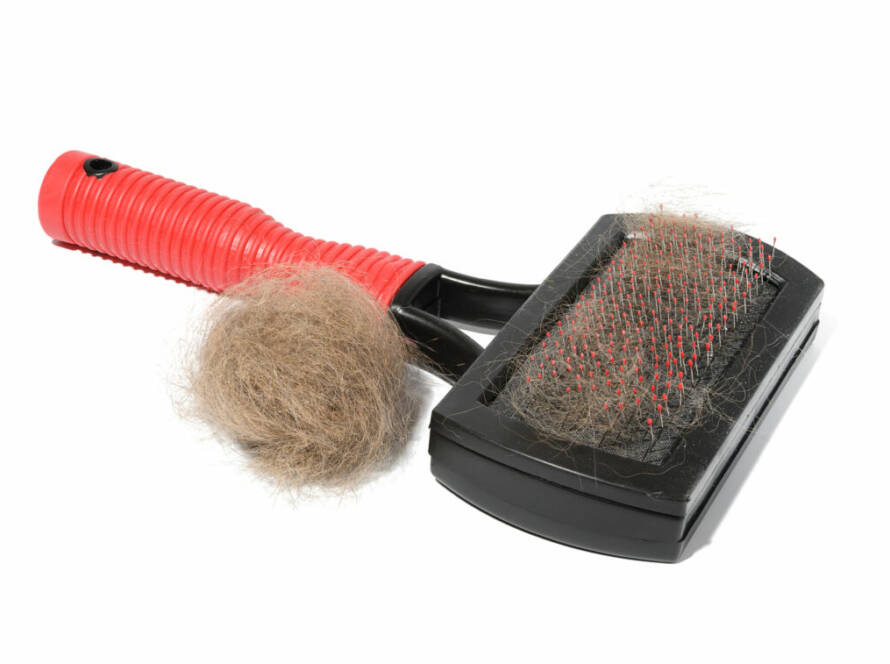
- Regular grooming (especially long-haired breeds)
- Hairball-control diets or vet-approved gels can reduce the amount of hair moving through the gut.
Home Care Tips for Mild Constipation
Once your vet rules out an emergency, you can focus on gentle home care and curing constipation in cats before it becomes chronic.
Monitoring Litter Box and Behaviour
- Track how often your cat passes stool and what it looks like.
- Note any straining, vocalizing, or avoiding the box.
- Keep a simple log or photos if your vet asks for an update.
Gentle Lifestyle Changes
- Encourage daily play (wand toys, food puzzles, short interactive sessions).
- Make sure litter boxes are easy to access; low-entry boxes or ramps for older/arthritic cats.
- In multi-cat homes, follow the “number of cats + one” rule for boxes to reduce stress and guarding.
What NOT to Do at Home
- Do not give human laxatives or stool softeners unless your vet has specifically told you which product and dose to use.
- Never perform enemas at home; some common human formulations can be fatal to cats.
- Don’t keep “waiting it out” if your cat is clearly painful, not eating, or hasn’t passed stool for more than 2 days; this is not a DIY situation.
Long-Term Prevention of Constipation in Cats
The best remedy for constipation in cats is often prevention, especially for cats that have had previous episodes.
Hydration Habits
- Fresh water is available at all times
- Consider fountains or wide, shallow bowls
- Include wet food as a regular part of the diet
Balanced, Easily Digestible Diet
- Choose a high-quality, complete cat food.
- Make any diet changes slowly over 7-10 days to avoid upsetting the gut.
- Ask your vet whether your cat would benefit from specific fibre levels or a prescription gastrointestinal diet.
Weight Management and Exercise
- Keep your cat at a healthy body condition score.
- Daily play and climbing opportunities help keep both muscles and gut moving. Obese and inactive cats have a higher risk of recurring constipation.
Regular Vet Check-Ups
- Senior cats especially benefit from yearly or twice-yearly exams to monitor kidneys, thyroid, and weight.
- Early detection of chronic problems (like megacolon) makes treatment more successful and helps avoid severe episodes.
FAQs About Curing Constipation in Cats
- How long can a cat go without pooping before I should worry?
In most cases, if your cat hasn’t passed stool in 48 hours, especially if there’s straining, vomiting, or pain, you should contact your vet. - Are there any natural remedies for constipation in cats?
Sometimes increasing water intake, adding moist food, adjusting fibre, and encouraging exercise can help mild cases. However, even “natural” remedies should be checked with your vet, because not all fibre sources or supplements are appropriate for every cat. - Can I give my cat human laxatives for constipation?
Generally no, many human products are unsafe or even toxic to cats. Only give a laxative if your veterinarian has recommended a specific product and dose. - Is constipation more common in senior cats?
Yes. Older cats are more prone to arthritis, kidney disease, dehydration, and reduced activity, all of which can contribute to constipation and megacolon. - How do I know if my cat is just constipated or has a more serious problem?
Any cat with no stool for 2-3 days, significant straining, vomiting, loss of appetite, or a painful, swollen belly should be treated as urgent. Your vet can differentiate simple constipation from more serious issues like obstruction or megacolon using an exam and imaging.