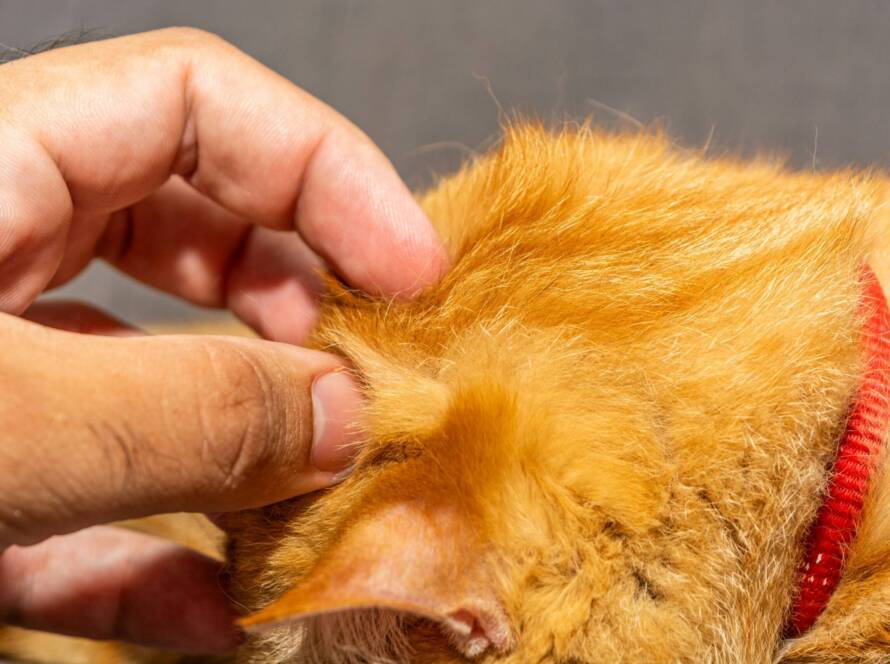
Teething in kittens is a normal (and sometimes messy) stage of development where baby teeth erupt, then later fall out as adult teeth come in. For many pet parents, kitten teething brings the same questions again and again: When do kittens lose teeth? What does kitten teething look like day to day, and what’s actually normal?
If you’re caring for a growing kitten, you don’t have to guess your way through this stage. At York Veterinary Hospital, we provide regular kitten examinations and dental advice.
What Is Teething in Kittens?
Kitten teething refers to two related processes:
- The eruption of deciduous (“baby”) teeth, and
- The transition where those baby teeth loosen and fall out as permanent (“adult”) teeth erupt.
Cats, like people, grow two sets of teeth; however, the timeline in kittens is much faster than in human children.
Most kittens end up with 26 baby teeth and 30 adult teeth. This change isn’t just a dental milestone; it can influence daily behaviour. As teeth erupt and gums feel tender, many kittens chew more, mouth hands, or seek out different textures to bite. This is why teething is often noticed as a behaviour phase (chewing/biting) even before an owner ever finds a tooth on the floor.
Kitten Teething Timeline
While every kitten is a little different, veterinary references are consistent on the broad stages of teething in kittens, from toothless newborns to a full adult set by about half a year.
When do kittens get their baby teeth?
Kittens are born without visible teeth. Baby teeth typically begin erupting at roughly 2-4 weeks (often starting with incisors), and most kittens have their full baby set by about 6-8 weeks.
How many baby teeth do kittens have (and what types)?
Kittens usually have 26 deciduous teeth, typically described as 12 incisors, 4 canines, and 10 premolars (kittens do not have molars).
When do kittens lose teeth?
This tends to start at around 10-12 weeks (about 3 months) and continues as different adult teeth come in over the following months.
When do adult teeth come in, and when is teething done?
Adult teeth commonly erupt between roughly 3-6 months of age, and most kittens have all 30 adult teeth by around 6 months (sometimes closer to 6-7 months).
A reassuring note for many owners: you might never “catch” your kitten losing teeth. Finding baby teeth can happen, but kittens often swallow baby teeth while eating or playing, which is generally considered common and harmless.
Common Signs of Teething in Kittens
Many signs of kitten teething are mild and come and go as different teeth erupt. The most common change is an increase in chewing on toys, furniture edges, or hands, because chewing is a natural response during this stage.
Typical signs you may notice include increased chewing/biting, mild gum tenderness (sometimes appearing as red or slightly swollen gums), extra drooling, or brief irritability. Some kittens may paw at their mouth or briefly act “fussy” with food because the mouth feels tender.
A small amount of gum bleeding can be normal, sometimes seen as faint pink staining on a toy. However, bleeding should be minimal; anything heavy, ongoing, or paired with significant pain should be treated as a reason to contact your veterinarian.
How to Help Your Kitten During Teething
Helping a teething kitten is mostly about two goals: comfort and safety, because a determined chewer can injure their mouth or swallow something they shouldn’t.
Safe chew toys
Choose soft, kitten-safe options that have some “give” rather than rock-hard materials. Veterinary guidance commonly warns against extremely hard chew items (for example, very rigid nylon-style products) because hard objects can increase the risk of tooth damage. Supervise chewing, and discard toys that begin to break apart, since swallowed pieces can pose choking or intestinal blockage risks.
It can also help to offer chilled (not rock-hard) chew options. Some sources suggest cool, soft items can soothe tender gums, while also cautioning that very hard frozen items (like ice cubes) may be too hard for kitten teeth. When in doubt, aim for toys that are soft enough to indent with a fingernail and focus on supervised, short comfort sessions.
Feeding tips during teething discomfort
If your kitten seems reluctant to crunch hard kibble, offering wet food or softening kibble with water can make eating more comfortable. It’s also smart to avoid sudden, dramatic diet changes, which can upset a kitten’s stomach; if you shift textures, do it thoughtfully and watch stool quality and appetite.
Comfort and care (including gentle gum contact)
Use teething time to build positive handling around the mouth, brief lip lifts, calm praise, and short sessions, so future tooth brushing and oral checks are less stressful. If your kitten tolerates it, a very gentle gum/teeth “massage” with a soft finger brush and cat-safe toothpaste can be part of training; however, some veterinary guidance also recommends taking a break from active brushing during the brief window when baby teeth are actively falling out, and adult teeth are erupting, since the mouth can be extra tender.
Dental Care After Teething
Once your kitten’s adult teeth are in, oral care shifts from “managing teething” to “protecting the adult set.” Major veterinary guidelines emphasize that proactive dental care should start at initial kitten visits, including checking for eruption problems or malocclusions, and teaching caregivers how to look in the mouth and brush effectively.
When and how to start brushing
Many veterinary dental resources recommend building brushing acceptance while cats are young. Daily brushing is considered ideal for plaque control, and brushing several times per week is often described as a practical minimum. Use cat-specific toothpaste; human toothpaste is not recommended because it may contain ingredients that shouldn’t be swallowed.
What “healthy” looks like vs. dental trouble
After teething, you want to see comfortable chewing, no persistent mouth odour, and gums that aren’t red, swollen, or bleeding. Dental disease often begins with plaque-related gingivitis and can progress if plaque mineralizes into tartar and inflammation worsens. Warning signs worth acting on include persistent bad breath, red/bleeding gums, excess drool, chewing on one side, dropping food, pawing at the face, facial swelling, or other signs of oral pain.
For local support, we provide complete dental care to assess oral status and detect dental problems early, useful not only after teething, but also if you’re unsure whether your kitten’s tooth transition is on track.
When to See a Vet During Teething
Most teething in kittens is uncomplicated, but there are a few situations where it’s smart to schedule an exam rather than “wait it out.” In particular, a veterinarian should evaluate concerns about tooth eruption timing, pain, or gum changes because retained baby teeth or abnormal tooth positioning can lead to crowding and bite problems.
Contact a veterinary team promptly if you notice:
- Baby teeth that don’t fall out on schedule, or an adult tooth erupting while the baby tooth is still firmly present (“double tooth”), which can signal a persistent/retained deciduous tooth.
- Excessive bleeding, marked mouth pain, or strong distress.
- Bad breath that seems strong or “infected,” worsening swelling, facial swelling, or abnormal discharge.
- Trouble eating, dropping food, or weight loss, especially if it lasts for more than a short phase.
Regularly checking your kitten’s mouth during development (for example, weekly checks through the age when adult teeth should be in) is recommended so that retained teeth or bite issues are caught early. If something looks off, don’t hesitate to book a dental/oral assessment.
Common Myths About Kitten Teething
Myth: Kittens shouldn’t lose teeth.
In reality, kittens normally lose baby teeth as adult teeth erupt. Cats are expected to transition from 26 deciduous teeth to 30 permanent teeth, and the shedding of baby teeth is part of that normal development.
Myth: If you don’t find teeth around the house, something is wrong.
Many kittens swallow baby teeth while eating or playing, so it’s common to see no evidence of tooth loss on the floor.
Myth: Teething always causes serious pain.
Teething can cause discomfort, chewing, mild fussiness, and occasional minor bleeding, but severe pain, heavy bleeding, major swelling, or refusal to eat are not things to ignore. Those signs warrant a veterinary assessment to make sure there isn’t an eruption problem, retained tooth, or another oral issue.
Teething in kittens is a short but important stage: baby teeth typically appear in the first weeks of life, kittens often start to lose teeth around 3 months, and most have a complete set of adult teeth by about 6 months. Along the way, chewing and mild gum sensitivity are common, and many kittens swallow baby teeth without any issue.
With safe chew options, smart feeding adjustments when needed, and early dental habits, kitten teething is usually very manageable. And when questions come up, especially about timing, pain, bleeding, or retained teeth, veterinary guidance can prevent small issues from becoming bigger dental problems later. Contact us for teething check-ins and continuing oral health support because of our long history in Toronto and emphasis on full-service treatment, including dental exams.