
A collar tag is helpful, but it is easy to lose. Tags can fade, break, slip off, or be removed. If your dog or cat gets out through a door, pulls loose on a walk, or is found without a collar, a microchip gives a clinic or shelter one more way to identify them.
Microchipping is not a replacement for tags, supervision, or searching quickly if your pet goes missing. It is a backup form of identification that stays with your pet when outside ID is no longer there.
What Is Pet Microchipping?
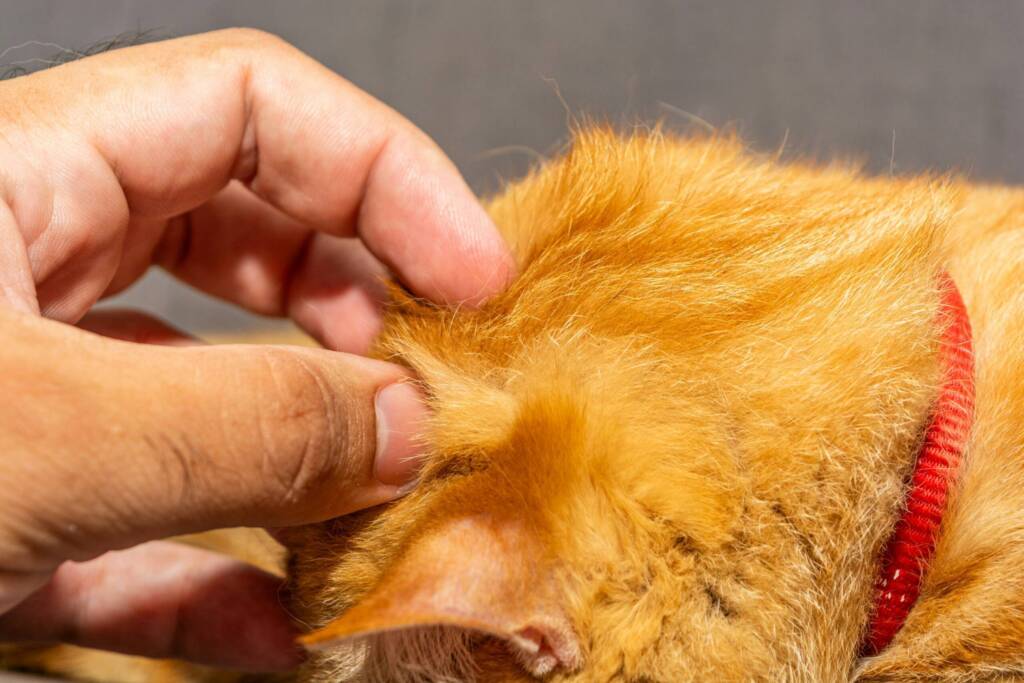
A pet microchip is a very small electronic chip placed beneath the skin, most often in the shoulder-blade area. Each chip has its own identification number.
When a veterinary team or shelter scans the chip, that number appears on the scanner. The number can then point to the registry where the owner’s contact details are kept.
The chip does not hold your address, medical records, or private information. It only carries the ID number. The registry record is what connects that number to you, so the registration must be completed and kept up to date.
If a lost pet is brought to a veterinary hospital, animal shelter, or humane society, staff can check for a chip. A registered chip with accurate contact details can give them a way to reach the owner.
Why Microchipping Matters
Collars and tags still matter because they let someone call you right away. The weakness is that they can disappear.
A microchip sits under the skin and is intended to stay with your pet for life. If your pet is found without a collar, the chip may still give staff a way to trace them back to you.
Microchipping can help with:
- Permanent identification: Your pet has an ID number that is not attached to a collar.
- Reunion support: A registered chip can improve the chance that a lost pet is returned to their family.
- Ownership confirmation: If there is confusion about who a pet belongs to, the registration can help show the owner connection.
- Travel planning: Some destinations require pets to be microchipped. If travel is planned, your veterinarian can help you review the rules before you go.
How the Microchipping Procedure Works
Microchipping is usually a quick appointment. In many cases, it can be done during a regular veterinary visit.
The chip is inserted under the skin with a sterile needle. The needle is larger than the one used for many vaccines, so your pet may notice a brief pinch, but the placement is usually fast. Anesthesia is not usually required.
Afterward, the veterinary team can scan the area to confirm the chip reads properly. They can also walk you through the registration steps and explain which details should be kept current.
Registration Matters as Much as Placement
A microchip is only useful when the registry record is correct.
After your pet is microchipped, make sure the chip number is linked to your current phone number, email address, and home address. If you move, change phone numbers, change email addresses, or adopt a pet whose chip was registered to someone else, update the record promptly.
During routine veterinary visits, you can also ask the team to scan the chip. This confirms the chip is still readable and gives you a reminder to check the registry information.
What Microchips Do Not Do
A microchip is not a GPS device. It does not show your pet’s location, send notifications, or track where your pet has been.
Its role is identification after a pet has been found. Someone still needs to bring the pet to a place with a scanner, such as a veterinary clinic, shelter, or humane society.
Microchipping works best as one part of a broader safety plan:
- Use a collar with current ID tags.
- Supervise pets outdoors.
- Keep doors, gates, balconies, crates, and carriers secure.
- Begin searching as soon as your pet is missing.
- Contact shelters and check online lost-pet listings.
Microchipping and Responsible Pet Ownership
Microchipping is useful for dogs and cats, including pets who live indoors. Indoor pets can still slip out during house moves, visitors, repairs, storms, fireworks, or other stressful events.
Shelters and adoption groups often microchip pets before adoption or recommend it soon afterward. The goal is straightforward: when a pet is found, identification gives staff somewhere to start.
If your pet reaches a shelter or clinic, a scan may reveal the chip number within minutes. With a registered chip and accurate contact information, the team has a better chance of reaching you quickly.
Cost and Accessibility of Pet Microchipping in Canada
Microchipping is available at many veterinary clinics, animal hospitals, shelters, and occasional community events across Canada.
The price is not the same everywhere. It may depend on the clinic, province, registry, and whether the fee includes registration. Before booking, ask what is included so you know whether you need to complete any registration steps yourself.
The chip is designed to provide long-term identification. Its value depends on the owner keeping the registry information accurate throughout the pet’s life.
Final Thoughts
Losing a pet is frightening, and no single tool removes that risk. A microchip gives your pet another route home if they are found without a collar or tag.
The main steps are simple: microchip your pet, complete the registration, and update your contact details whenever they change.
If your dog or cat has not been microchipped yet, ask York Veterinary Hospital about adding it to an upcoming visit.