If you’ve ever been cuddling your cat and suddenly felt a small bite, you’re not alone. Many cat owners experience this confusing behaviour and wonder what it means. Are these cat love bites, or is your cat upset?
The truth is, cats bite for different reasons, and not all bites are aggressive. Understanding why cat bites happen can help you better read your cat’s behaviour and build a stronger bond.
What Are Cat Love Bites?
Cat love bites are gentle, controlled nips that don’t break the skin. They often happen during petting, play, or close interaction.
These bites are usually:
- Light and brief
- Not intended to hurt
- Paired with relaxed body language
Love bites from cats are a form of communication. In many cases, your cat is showing affection or trying to interact with you, not harm you.
Why Do Cats Bite Their Owners?
If you’re asking why cats bite their owners, the answer depends on the situation. Cats use biting as a way to communicate, and the meaning can change based on context.
Here are the most common reasons:
1. Affection and Bonding
Some cats use gentle bites as a sign of closeness. This behaviour often comes from kittenhood, when they play and groom each other.
- These are typical cat love bites
- They may happen while your cat is purring
- Your cat may also lick or nuzzle you
In this case, the bite is part of a bonding moment.
2. Overstimulation
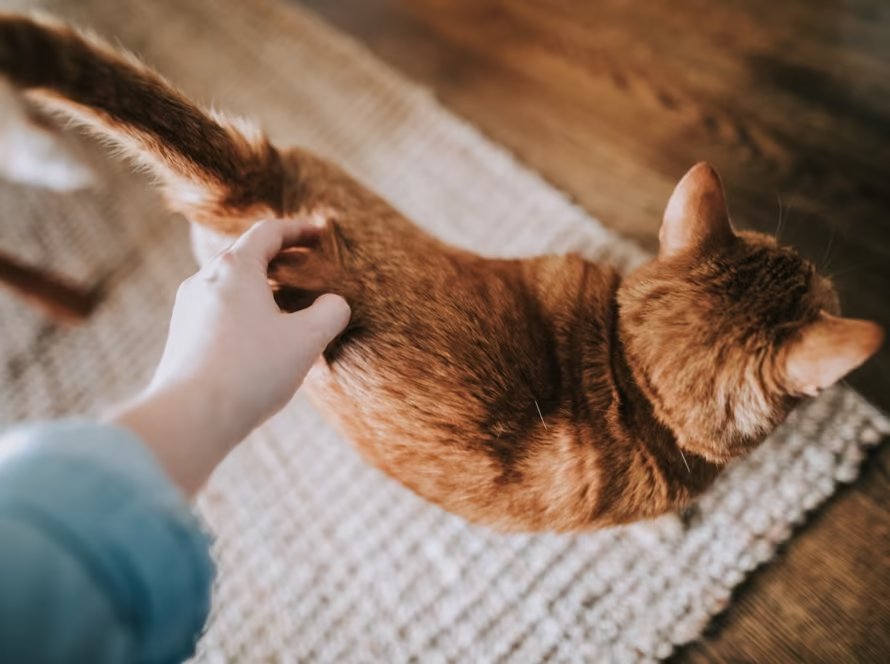
One of the most common answers to why cat bites happen is overstimulation.
Cats can enjoy petting, but only up to a point. When they’ve had enough, they may bite as a signal to stop.
Signs of overstimulation include:
- Tail flicking or swishing
- Ears turning back
- Sudden tension in the body
The bite is your cat’s way of saying, “That’s enough.”
3. Play Behaviour
Cats are natural hunters, and play often mimics hunting behaviour.
- Biting may be part of chasing or grabbing
- Your hands may be seen as “prey”
- This is more common in younger or energetic cats
This type of biting isn’t aggression—it’s instinct.
4. Attention-Seeking
Sometimes cats bite simply to get your attention.
- They may want food, playtime, or interaction
- The bite is usually quick and not too hard
If your cat notices that biting gets a reaction, they may repeat the behaviour.
5. Stress or Discomfort
Not all bites are friendly. If a cat feels stressed, scared, or uncomfortable, biting can be a defensive response.
Watch for:
- Hissing or growling
- Dilated pupils
- Flattened ears
In this case, the bite is a warning sign, not a love bite from cats.
How to Tell the Difference: Love Bite or Warning?
It’s important to understand the difference between cat love bites and more serious bites.
Love bites:
- Gentle and controlled
- No skin breaking
- Relaxed body language
Warning or aggressive bites:
- Strong and painful
- May break the skin
- Paired with tense or defensive behaviour
Reading your cat’s body language is key to understanding their intent.
How to Respond When Your Cat Bites
If your cat bites, your reaction matters.
For love bites:
- Stay calm
- Gently stop interaction
- Avoid encouraging the behaviour
For overstimulation or play bites:
- Stop petting immediately
- Give your cat space
- Redirect to toys instead of hands
What to avoid:
- Don’t yell or punish your cat
- Don’t use your hands as toys
- Don’t ignore warning signs
Consistent responses help your cat learn boundaries.
How to Reduce Unwanted Biting
If biting becomes frequent, here are simple ways to manage it:
- Use toys for play instead of hands
- Learn your cat’s limits during petting
- Watch body language closely
- Provide enough stimulation (toys, climbing spaces)
- Stick to routines for feeding and play
Understanding why cats bite their owners is the first step to reducing unwanted behaviour.
So, what do cat love bites really mean?
In most cases, they’re a form of communication—not aggression. Whether it’s affection, play, or overstimulation, your cat is trying to tell you something.
By learning why cat bites happen and recognizing the difference between gentle nips and warning signs, you can respond appropriately and strengthen your relationship with your pet.
With patience and observation, those small bites will start to make a lot more sense.