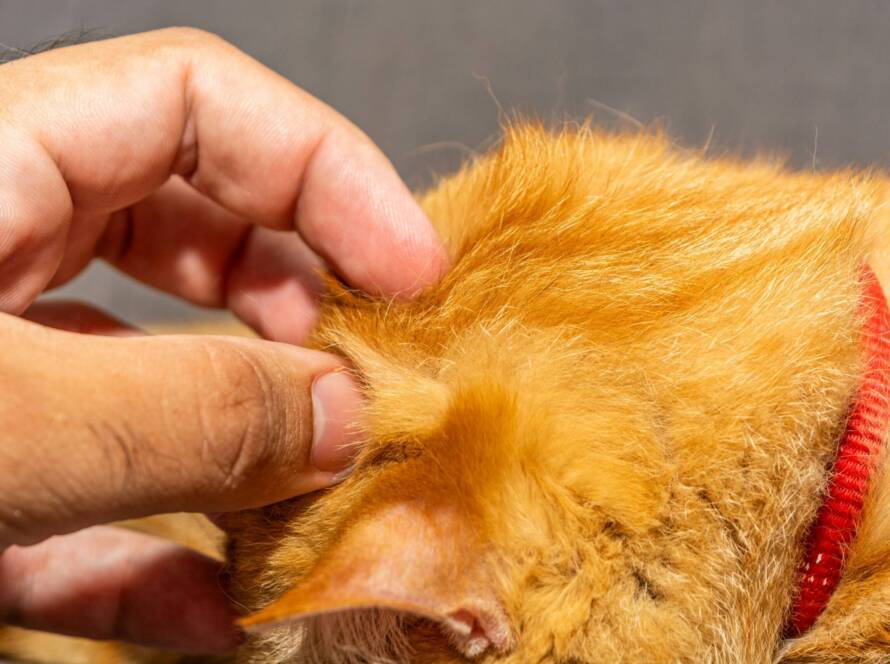
Fish oil shows up in many pet store aisles for a reason. You’ll see it added to kibble, mixed into wet food, and sold as a separate supplement. When used properly, fish oil can support your cat’s skin, coat, and overall wellness, but it’s not a “more is better” ingredient.
In this guide, we’ll break down why fish oil in cat food is so common, when cat food with fish oil may be enough on its own, and what to look for if you’re choosing the best fish oil for cats as a supplement. We’ll also cover label tips, safe serving basics, and when it’s worth checking in with your veterinarian.
What Is Fish Oil and Why Is It Used in Cat Food?
Fish oil is a fat extracted from fish tissue. The most common sources used in pet nutrition include:
- Salmon oil
- Sardine oil
- Anchovy oil
- Menhaden oil (a small ocean fish commonly used for fish meal and oil)
The main reason fish oil is added to cat diets is its omega-3 fatty acids, especially:
These omega-3s are used by the body in many ways, including supporting normal skin function and healthy inflammatory responses. Pet food manufacturers often include fish oil in:
- Dry kibble (usually sprayed on after cooking)
- Canned or pouch wet food
- Freeze-dried toppers and mixes
Benefits of Fish Oil for Cats
Fish oil can be a helpful tool in a wellness plan, especially when it’s fresh, properly dosed, and used for the right reasons.
Skin and coat support
Many cats with dry skin, dandruff, dull coats, or seasonal shedding may benefit from omega-3 support. Fish oil is often included in diets marketed for coat health, which is why you’ll frequently see cat food with fish oil aimed at “skin and coat” goals.
Joint comfort and mobility support
Omega-3s are commonly used to support normal joint function and comfort, particularly for older cats who may be less active or stiff. This doesn’t replace pain management or a veterinary plan, but it can be one supportive piece.
Brain and eye development in kittens
DHA is an important omega-3 for developing brains and eyes. Some kitten diets include fish oil for this reason.
Heart and immune support
Omega-3s support overall wellness, including normal heart function and healthy immune activity. Think of this as “support,” not a guaranteed outcome.
General support for inflammation-related conditions
Because omega-3s help the body manage normal inflammatory pathways, veterinarians may sometimes recommend fish oil as part of a broader plan for certain conditions. It’s important not to self-treat—your vet can help decide whether it makes sense for your cat.

Fish Oil in Cat Food vs Fish Oil Supplements
Pros of cat food with fish oil
- Convenient: no measuring, no mess
- Consistent: the diet is designed with a baseline amount
- Often balanced with other nutrients (like vitamin E) that help stabilize fats
Limitations
- Dose may be small: some foods include fish oil in tiny amounts
- Freshness can vary: fats can oxidize over time, especially in dry food
- You may not know the exact EPA/DHA amount unless the label provides it
When a supplement might be considered
A supplement may be discussed if:
- Your cat has ongoing dry skin/dull coat
- A veterinarian recommends omega-3s for a specific health plan
- Your cat is on a special diet and needs targeted support
Avoid “doubling up” without guidance
If your cat eats fish oil in cat food and you add a supplement on top, it’s easy to overshoot. Too much added fat can lead to stomach upset and unnecessary calories. Always check with your vet before combining.
How to Identify Cat Food With Fish Oil (Label Guide)
To find cat food with fish oil, start with the ingredient list. Look for terms such as “fish oil,” “salmon oil,” or “menhaden oil.” Some brands also mention omega-3s on the package, but a general “omega-3” claim doesn’t always tell you how much EPA or DHA is included.
Ingredient placement can offer a clue about quantity. Ingredients are listed by weight, so fish oil near the end may mean a smaller amount. That can still be perfectly fine for general support, but it may not be enough if your cat needs a stronger omega-3 plan.
Because fish oil can oxidize, some foods include antioxidants such as mixed tocopherols (a form of vitamin E). That’s a good sign, since antioxidants help stabilize fats and keep them fresher longer. On the other hand, vague ingredients like “fish derivatives” without detail, or a strong off-smell from dry kibble, can be red flags for quality or freshness.
Best Fish Oil for Cats: What to Look For
If you’re choosing a supplement, here’s how to narrow down the best fish oil for cats for safety and quality.
Source and purity
- Small fish sources (like sardine/anchovy) are often preferred because they may carry lower contaminant risk compared with some larger fish.
- Look for brands that mention purification and quality testing (for things like heavy metals and other contaminants).
- Choose reputable pet brands or veterinary-recommended options. Some human fish oils can be appropriate, but cats have different needs and dosing is tricky, so it’s best to ask your vet first.
Form matters
- Liquids: easy to mix into wet food, but can oxidize faster once opened
- Softgels/capsules: often reduce exposure to air; you can puncture and squeeze into food if your cat won’t take a capsule
- Flavoured vs unflavoured: some cats love fishy flavours; others refuse them
Packaging tips:
- Dark/opaque bottles can protect from light
- Pumps are convenient, but droppers may allow more precise small dosing for cats
Freshness and stability
Fish oil can go rancid. Signs include:
- Strong, “off,” sharp smell (not just “fishy”)
- Cloudiness or unusual colour changes
- Your cat suddenly refuses it despite liking it before
Storage basics:
- Keep in a cool, dark place
- Some products do best with refrigeration after opening (check the label)
- Always use within the recommended timeframe after opening
Fish Oil Alternatives
If fish oil is a no-go, your vet may suggest:
- An omega-3 enriched diet (sometimes easier than supplements)
- Algae-based DHA options (not all are appropriate for cats, so ask first)
- Other veterinary diets designed for skin/coat goals
Avoid adding “people foods” as omega sources unless your vet approves cats have specific nutritional needs and some foods don’t fit safely into a balanced diet.
Fish oil can be a helpful part of feline nutrition when it’s high-quality, fresh, and used in the right amount. If you’re unsure what your cat is already getting from their diet or you want a targeted plan for coat, skin, or mobility support, your veterinary team can help you choose the safest option.