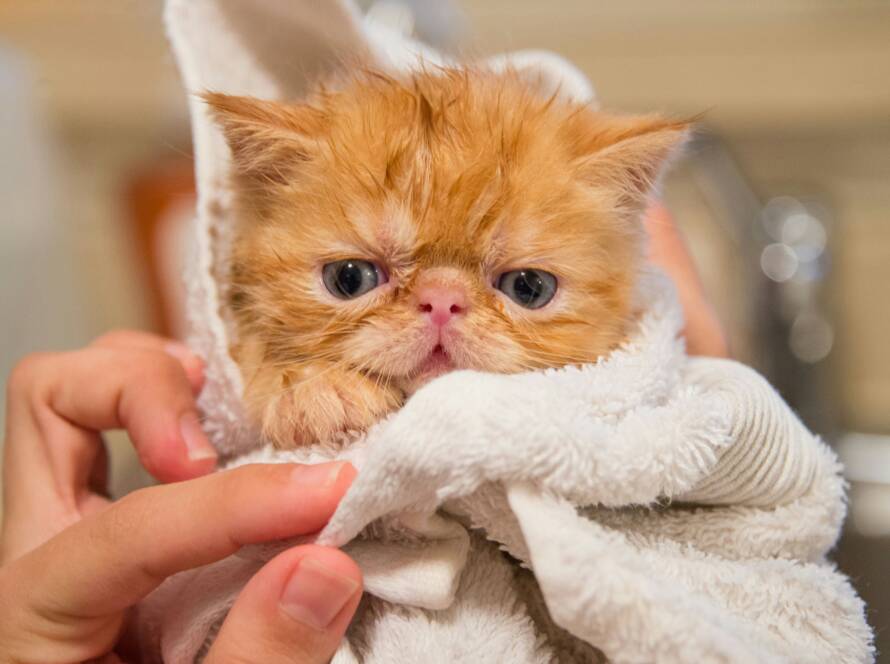
If you have ever found yourself wondering, why is my cat crying? You are not alone. A crying cat can be confusing and sometimes worrying for pet owners. The sound may be loud, repetitive, or different from your cat’s usual meow. It can happen during the day, late at night, or seemingly without reason.
First, it is important to clarify what “crying” usually means in cats. Unlike humans, cats do not cry emotional tears. When people talk about a crying kitty, they are typically describing vocalization. This may include meowing, yowling, howling, or persistent calling sounds.
In this guide, we will explain common reasons cats cry, what different sounds may mean, and when a crying cat may need veterinary attention. Understanding the context and pattern of your cat’s behaviour is key to knowing what to do next.
What Does It Mean When a Cat Is Crying?
Cats use vocalization as a primary way to communicate with humans. A normal meow is often brief and directed at you for a specific purpose, such as asking for food, play, or affection. Excessive crying, however, may be louder, more frequent, or longer in duration.
Some cats are naturally more vocal than others. Breeds such as Siamese cats are known for frequent and expressive vocal sounds. Individual personality also plays a role. A “talkative” cat is not always a sick cat.
The concern arises when:
- The crying becomes sudden or excessive
- The sound changes in tone or intensity
- The vocalization is paired with other behavioural or physical changes
In these cases, it is important to look more closely at what your cat may be trying to communicate.
Common Reasons Why Cats Cry
Hunger or Thirst
One of the most common reasons for a crying kitty is hunger. Cats quickly learn that vocalizing near the kitchen or food bowl gets results.
You may notice:
- Crying around feeding times
- Vocalizing near the food dish
- Increased crying if the feeding routine changes
Senior cats may also vocalize more around meals due to metabolic changes or increased appetite from medical conditions such as hyperthyroidism.
Always ensure your cat has access to fresh water and a consistent feeding schedule.
Attention-Seeking or Boredom
Cats crave mental stimulation and social interaction. If your cat cries when you are working, using your phone, or away from home, they may be seeking attention.
Indoor cats are especially prone to boredom if they lack:
- Interactive toys
- Scratching posts
- Climbing structures
- Regular play sessions
Loneliness can also lead to increased vocalization, particularly in single-cat households.
Stress, Fear, or Anxiety
Environmental changes can cause a crying cat. Cats are sensitive to changes in their surroundings.
Common triggers include:
- Moving to a new home
- Introducing a new pet
- House guests
- Renovations
- Loud noises
Separation-related stress may also cause a crying kitty when left alone for extended periods.
Pain or Discomfort
Sudden or intense crying should never be ignored. Cats instinctively hide pain, so vocalizing may indicate significant discomfort.
Warning signs include:
- Hiding or withdrawing
- Aggression when touched
- Changes in posture
- Limping or stiffness
- Reduced appetite
If your cat begins crying unexpectedly and seems uncomfortable, a veterinary examination is recommended as soon as possible.
Medical Issues
Several health conditions can cause a crying cat:
- Urinary problems: Straining or vocalizing in the litter box may indicate a urinary tract infection or blockage, which is an emergency in male cats.
- Dental pain: Oral disease can cause persistent discomfort, leading to crying, drooling, or difficulty eating. Consider opting for dental care services.
- Arthritis: Older cats may cry due to joint pain, especially when jumping or climbing.
- Cognitive changes: Senior cats may experience cognitive dysfunction, leading to confusion and increased vocalization, particularly at night.
- Kidney disease: Conditions like kidney disease may cause nausea, dehydration, and changes in thirst, so a cat may cry because they feel unwell or are seeking comfort.
- Hyperthyroidism: Hyperthyroidism (overactive thyroid) is when your cat’s internal engine is running way too fast. This can also increase crying because it may make cats feel wired or unsettled, and you might notice increased hunger, increased thirst, weight loss, or pacing, especially in older cats.
When the crying is new, more intense, or paired with changes in appetite, thirst, energy, or behaviour, it is a strong sign that a medical check-up is needed.
Why Kittens Cry More Than Adult Cats
A crying kitty is often a normal part of kitten development. Kittens vocalize more frequently than adult cats, especially during their first weeks of life.
Common reasons include:
- Separation from their mother
- Hunger
- Feeling cold
- Fear or insecurity
However, persistent crying in a kitten that is not eating, appears lethargic, or seems weak should be evaluated by a veterinarian.
Crying at Night: Why Is My Cat Crying After Dark?
Night-time crying is a frequent concern for owners. Dawn and dusk are when cats are most likely to be active. If your cat has excess energy, they may vocalize at night.
Possible causes include:
- Pent-up energy
- Boredom during the day
- Hunger
- Attention-seeking behaviour
In senior cats, night crying may indicate disorientation or cognitive changes. If your cat seems confused, restless, or has altered sleep patterns, veterinary guidance is important.
How to Calm a Crying Cat
If your cat is crying, start by checking the basics:
- Ensure food and water are available
- Clean the litter box
- Maintain a consistent routine
- Provide interactive play sessions
- Offer enrichment toys and climbing spaces
Create a calm, predictable environment. Gentle interaction can help if your cat seeks comfort. However, avoid overstimulating a stressed cat.
What Not to Do When Your Cat Is Crying
Avoid the following:
- Ignoring persistent crying without investigation
- Yelling or punishing your cat
- Accidentally reinforcing unwanted behaviour by immediately giving treats
- Forcing physical contact if your cat is anxious
Remember, crying is communication, not misbehaviour.
When to Be Concerned About a Crying Cat
Seek veterinary advice if you notice:
- Sudden onset of excessive crying
- Vocalizing during litter box use
- Changes in appetite or drinking
- Lethargy or hiding
- Senior cats developing new vocal habits
Pattern changes are often more important than volume alone.
When to See the Vet
Medical causes should always be ruled out first. Pain, urinary problems, dental disease, and systemic illness can all present as crying.
Early intervention can:
- Prevent complications
- Reduce discomfort
- Improve long-term outcomes
If you are unsure whether your cat’s crying is behavioural or medical, it is safer to schedule an examination.
At York Veterinary Hospital, we understand that every cat is unique. If you are concerned about your crying kitty or unsure whether the behaviour is normal, our personalized veterinary team is here to help evaluate the underlying cause and support your cat’s health and wellbeing.
If your cat’s crying feels different, persistent, or worrisome, do not hesitate to reach out for professional guidance.
FAQs About Crying Cats and Kitties
Is it normal for cats to cry?
Occasional vocalization is normal. Excessive or sudden crying is not.
Do cats cry when they are sad?
Cats do not cry emotional tears, but stress and anxiety can increase vocalization.
Why does my cat cry when I leave?
This may be attention-seeking or separation-related stress.
Why does my cat cry at night?
Often due to activity patterns, boredom, or age-related changes.
Can stress cause cats to cry?
Yes. Environmental changes commonly trigger vocalization.
How do I know if my cat is crying in pain?
Look for behavioural changes, reduced appetite, posture changes, or litter box issues.