
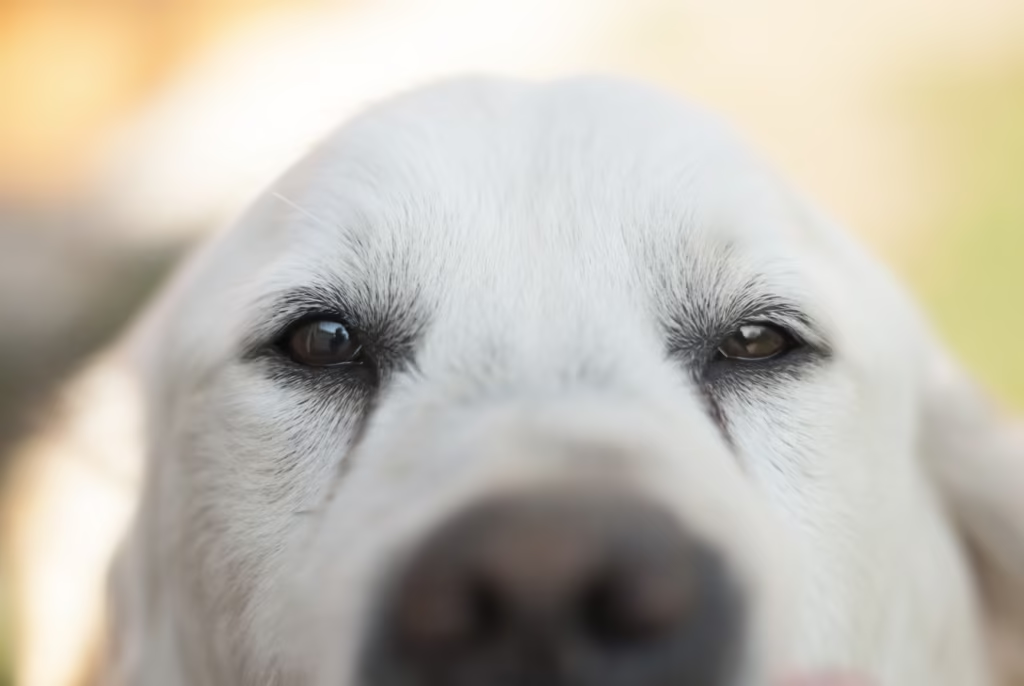
Your dog’s eyes can change quickly when something is uncomfortable, irritated, or affecting vision. A little redness may seem minor at first, but eye problems can become painful if they are ignored. Paying attention to early signs helps you know when it is time to call a veterinarian.
This guide covers common dog eye problems, possible causes, and the treatment approaches a veterinarian may recommend.
Conjunctivitis (Pink Eye)
Conjunctivitis affects the thin lining around the eye and inner eyelids. When this tissue becomes irritated, dogs may develop redness, discharge, itching, or sensitivity around the eye.
Symptoms:
- Redness in the whites of the eyes
- Watery eyes or discharge
- More squinting or blinking than usual
- Pawing or rubbing at the eyes
Causes:
- Allergies, such as pollen, dust, or smoke
- Bacterial or viral infections
- Irritants such as shampoo, debris, or environmental particles
Treatment:
Your veterinarian will choose treatment based on the cause. Some dogs need prescription drops or ointment. If allergies are contributing to the irritation, reducing exposure to the trigger may also be part of the plan.
Dry Eye (Keratoconjunctivitis Sicca)
Dry eye, also called KCS, means the eye is not getting enough natural tear film. Without that moisture, the surface can become irritated, sticky discharge may build up, and the eye can be more vulnerable to damage.
Symptoms:
- Discharge that looks thick, sticky, or mucus-like
- Eyes that appear dull, red, or uncomfortable
- Frequent blinking, squinting, or holding the eye partly closed
- Eye infections that keep coming back
Treatment:
Your veterinarian may prescribe medication that lubricates the eye or helps improve tear production. Some dogs need daily treatment over the long term, especially if tear production stays low.
Cataracts
With cataracts, the normally clear lens inside the eye becomes cloudy. The change may be small at first, or it may progress enough to interfere with vision. Older dogs are affected more often, but cataracts can also be associated with diabetes or breed-related risk.
Causes:
- Older age
- Diabetes
- Genetics, especially in some breeds such as Poodles, Cocker Spaniels, and Huskies
Symptoms:
- A cloudy look in one or both eyes
- Bumping into furniture or walls
- Hesitation in dim light
Treatment:
If you notice cloudiness in your dog’s eye, a veterinarian should examine it. Some dogs may be referred to a veterinary ophthalmologist to discuss surgery, although surgery is not right for every case.
Glaucoma
Glaucoma is a serious condition in which pressure inside the eye rises too high. That pressure can harm delicate eye structures and may cause vision loss.
Symptoms:
- A bulging or enlarged-looking eye
- Redness or cloudiness
- Vision changes or vision loss
- Squinting, pain, or pawing at the eye
Treatment:
Glaucoma needs urgent veterinary attention. Depending on the case, treatment may involve pressure-lowering medication, pain relief, surgery, or a combination of care. Early treatment gives the best chance of protecting vision.
Corneal Ulcers
The cornea is the clear outer surface at the front of the eye. A corneal ulcer is damage to that surface, often caused by a scratch, trauma, infection, or irritation linked to another eye condition.
Symptoms:
- Blinking repeatedly or squinting
- A visible mark, cloudy patch, or injury on the eye
- A white or hazy area on the eye surface
- Eye discharge
Treatment:
Your veterinarian may use antibiotic drops, pain control, and other medication when appropriate. If an ulcer is deep, slow to improve, or at risk of getting worse, surgery may be needed. Quick care helps reduce the chance of lasting eye damage or vision loss.
Cherry Eye
Cherry eye develops when the gland in the third eyelid moves out of its usual position. Pet owners often notice it as a pink or red rounded swelling close to the inner corner of the eye.
Symptoms:
- A red or pink lump near the inner corner of the eye
- Tearing or eye discharge
- Mild squinting in some dogs
Treatment:
Treatment often involves surgery to return the gland to its normal position. Without care, the gland may remain irritated and some dogs can develop tear-related problems over time.
Common Signs of Eye Problems in Dogs
Different eye conditions can look similar at home. A dog with an eye problem may show one or more of these signs:
- Red or inflamed eyes
- Cloudy, hazy, or bluish eyes
- Clear, yellow, or green discharge
- Squinting, blinking, or holding one eye partly closed
- Rubbing the face or pawing at the eye
- Sensitivity to light
- Trouble with stairs, doorways, furniture, or objects in the room
If you notice any of these signs, book a veterinary visit.
Home Care Tips for Eye Health
You can support your dog’s eyes at home with a few careful habits:
- Use a soft, damp cloth to clean mild discharge
- Keep long facial hair from rubbing against the eyes
- Use only eye products your veterinarian has recommended
- Avoid human eye drops unless your veterinarian tells you to use them
- Reduce exposure to smoke, dust, sprays, and other irritants when possible
- Do not let your dog ride with their head outside the car window, since wind and debris can injure the eyes
When to See a Vet
Contact a veterinarian if your dog shows eye changes that could suggest pain, injury, infection, or vision trouble.
Seek care right away for:
- Sudden vision loss
- Severe swelling or bulging
- Blood or pus in the eye
- Severe pain or sensitivity to light
- A foreign object stuck in or near the eye
Early care can keep an eye problem from becoming harder to treat.
Healthy eyes matter for your dog’s comfort, confidence, movement, and quality of life. Many eye conditions respond better when they are caught early, so do not ignore redness, squinting, discharge, cloudiness, or sudden changes in mood or activity.
Have questions about your dog’s eye health? Book a veterinary appointment with York Veterinary Hospital and let our team help protect your pet’s vision.