Your dog has left a mess by the back door, and the first question of the morning is what to put in the bowl and what to keep out of it. Feed the wrong thing and a one-day episode can stretch into three. Feed the right thing and the gut has exactly what it needs to settle.
If your dog’s digestive upsets are recurring rather than isolated, York Veterinary Hospital’s nutrition service can help identify whether diet is a contributing factor.
Why Dogs Get Diarrhea
Diarrhea is a symptom, not a diagnosis. The most common triggers for a single acute episode are uncomplicated: dietary indiscretion (eating garbage, a neighbour’s compost, table scraps, or something found in the yard), a food change made too abruptly, a stressful event like boarding or a long car trip, intestinal parasites, or a course of antibiotics that has disrupted the gut microbiome.
More serious causes include bacterial or viral infections such as parvovirus, foreign body ingestion, toxin exposure, pancreatitis, food allergies, and underlying systemic conditions including Addison’s disease, liver disease, or intestinal cancer.
The distinction that shapes how you respond is acute versus chronic. Acute diarrhea comes on suddenly and resolves within a few days. Chronic diarrhea persists for weeks or months and requires veterinary investigation, not careful feeding and watchful waiting. Everything in this guide applies to acute, uncomplicated episodes in otherwise healthy adult dogs.
What to Feed: The Bland Diet
The right bland food for dogs with diarrhea gives the gut a break from processing rich or complex foods. The goal is something easy to break down, low in fat, and moderate in protein: not simply tasteless food. Many current veterinary nutrition sources, including the Ontario Veterinary College at the University of Guelph, now favour introducing a highly digestible meal early rather than an extended fast. That said, some veterinarians still recommend a short withhold depending on the dog’s individual condition, so follow your vet’s specific guidance if you have it.
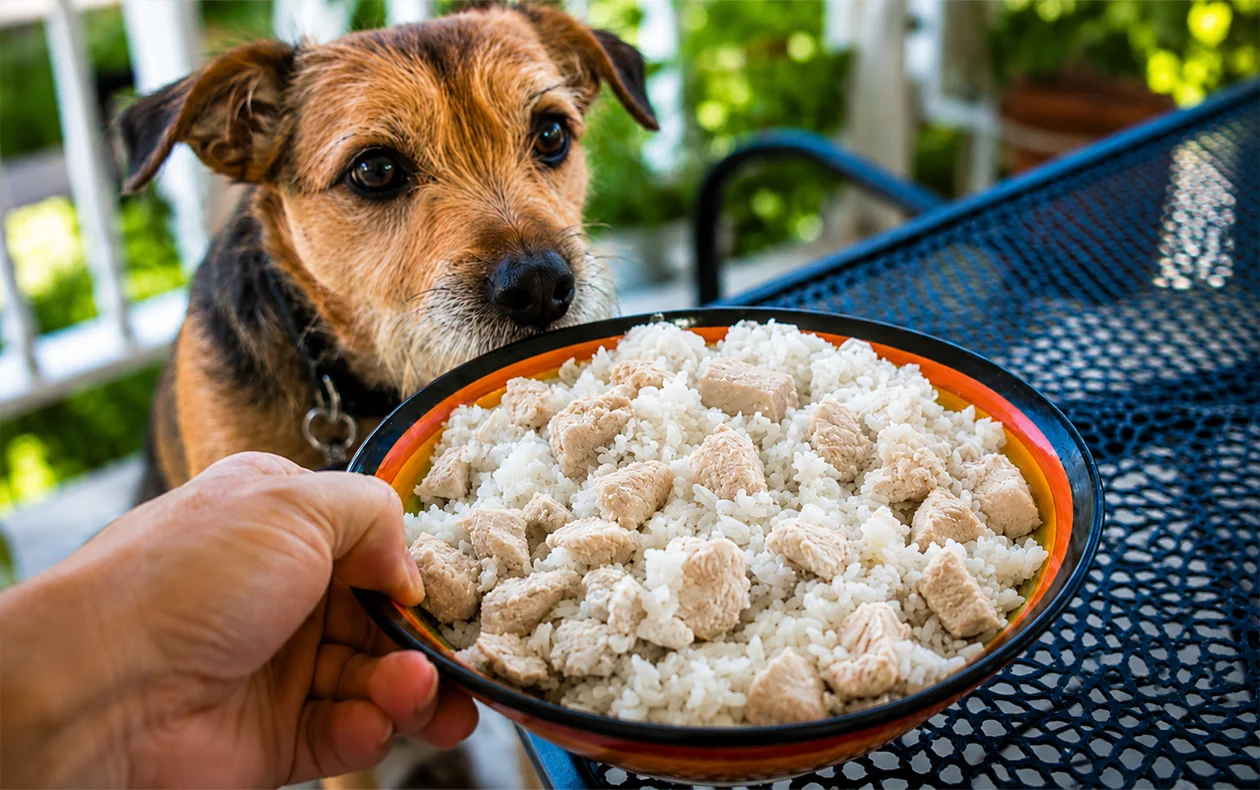
Boiled chicken breast is the standard protein for this recovery diet. It is lean, easy to digest, and provides the amino acids needed for tissue repair. Remove all skin and bones before serving. Do not use rotisserie chicken, seasoned chicken, or anything cooked with oils or marinades.
White rice is the carbohydrate that pairs with chicken. Its low fibre content is gentle on an inflamed gut and helps firm up loose stool. Brown rice has too much fibre during active diarrhea and should wait until recovery is complete.
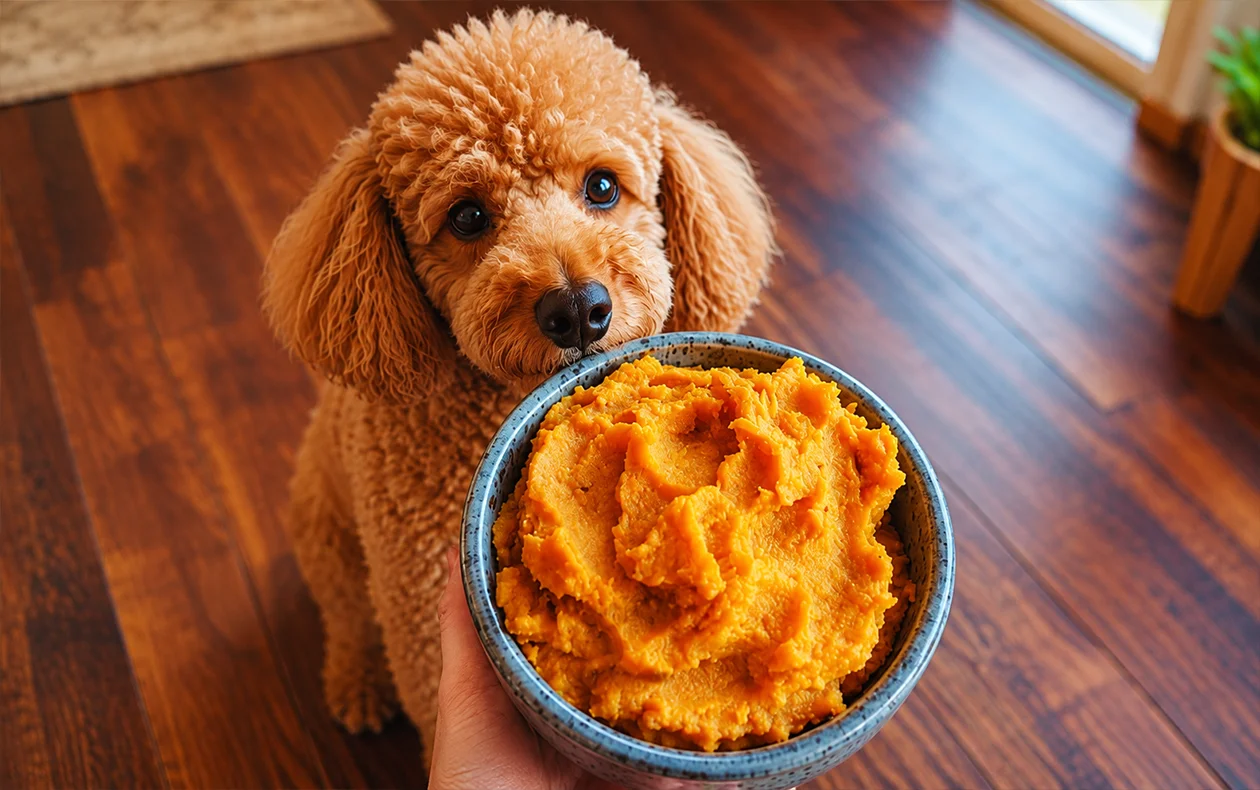
Plain canned pumpkin is a useful addition. It contains soluble fibre (including pectin) that absorbs excess water in the intestines and helps normalize stool consistency. Approximate amounts per meal by size:
- Small dogs (under 10 kg): 1 teaspoon
- Medium dogs (10-25 kg): 1 to 2 tablespoons
- Large dogs (over 25 kg): 2 to 4 tablespoons
Use 100% pure canned pumpkin only. Pumpkin pie filling is not a substitute; it contains spices, added sugars, and sometimes xylitol, a sweetener that is toxic to dogs.
Other options that work on the same principles: plain boiled egg (scrambled without butter or salt), cooked pasta without sauce, or very lean boiled ground beef with the fat completely drained. These are useful alternatives for dogs with a known intolerance to chicken or rice.
Foods and Medications to Avoid
High-fat foods are the most common mistake during a diarrhea episode. Fat slows gastric emptying, increases the likelihood of vomiting alongside the diarrhea, and can trigger pancreatitis, a more serious and painful condition than the original GI upset. Avoid anything rich, fried, or sauced.
Dairy products cause diarrhea in most adult dogs. Dogs are largely lactose intolerant after puppyhood, and milk, cream, or cheese will reliably make things worse.
Spices, garlic, and onion are harmful at any time and have no role in a recovery meal.
Two over-the-counter human medications are frequently tried and should not be:
Pepto-Bismol (bismuth subsalicylate) contains salicylate compounds that can irritate the GI lining and interact with other medications. Cornell University College of Veterinary Medicine advises against using it unless a veterinarian has directed it for your specific dog.
Imodium (loperamide) is particularly dangerous in herding breeds carrying the MDR1 (ABCB1) genetic mutation: Collies, Australian Shepherds, Shetland Sheepdogs, Border Collies, and several others. In these breeds, loperamide can cross the blood-brain barrier and cause serious neurological toxicity. Do not use it without confirming with your veterinarian that it is safe for your dog specifically.
How to Feed During Recovery
Offer four to six small meals spread throughout the day rather than returning to the usual one or two. Smaller volumes reduce the load on the gut at any given time and are better tolerated when the digestive tract is still irritated.
Start conservatively: roughly two tablespoons of bland food per 4-5 kg of body weight per feeding. If the first few small portions are tolerated without further diarrhea or vomiting, increase gradually to a normal meal-sized portion over the following 24 hours.
Fresh water must be available at all times. Diarrhea causes fluid loss faster than most owners anticipate, and dehydration compounds quickly if your dog is also reluctant to drink. Adding a small amount of water or low-sodium unseasoned broth to the food can help encourage intake.
Most dogs need 24 to 72 hours on the recovery diet before stool consistency normalizes. Once the first fully normal stool has passed, stay with it for at least one more day before starting the transition back to regular food.
Probiotics: Worth Adding
The gut microbiome is disrupted during an acute diarrhea episode. Probiotics restore beneficial bacteria and can shorten the duration of the episode.
The most studied veterinary probiotic for dogs is Enterococcus faecium SF68, the active strain in FortiFlora (Purina Pro Plan Veterinary Supplements). Clinical research has shown faster resolution of diarrhea in dogs receiving E. faecium SF68 compared to those given metronidazole alone. It is available without a prescription in single-serve powder packets that mix easily into food; most dogs accept it readily.
Prebiotics, which feed beneficial gut bacteria rather than adding to them, can be used alongside probiotics. Ask your veterinarian which combination they recommend before starting.
When to Call the Vet
Go immediately if you see any of the following:
- Dark, tarry, or black stool (called melena). This indicates bleeding in the upper gastrointestinal tract and is a medical emergency.
- Bright red blood in the stool combined with vomiting, lethargy, or abdominal pain
- Signs of dehydration: dry or pale gums, sunken eyes, skin that stays tented when gently pinched at the scruff
- A hard, distended, or painful abdomen
- Collapse or severe weakness
- Diarrhea multiple times per hour or through the night with no sign of easing
Call within 24 to 48 hours if:
- Diarrhea has not improved after two to three days of bland feeding
- Vomiting has appeared alongside the diarrhea
- Your dog has not eaten anything for more than 24 hours
- Lethargy continues past the first day
Puppies, senior dogs, and small or toy breeds should not be managed at home beyond the first 12 to 24 hours without veterinary input. They lose fluids significantly faster than healthy adult dogs of medium or large size, and what begins as mild diarrhea can deteriorate quickly. Puppies without a complete vaccination history carry an additional risk: parvovirus causes severe, often bloody diarrhea and is life-threatening without prompt treatment.
York Veterinary Hospital handles urgent and emergency cases for dogs and cats during regular business hours: Monday to Tuesday 9:00 am to 7:00 pm, Wednesday 9:00 am to 2:00 pm, Thursday to Friday 9:00 am to 7:00 pm, Saturday 10:00 am to 4:00 pm, and Sunday 10:00 am to 3:00 pm.
For urgent cases, walk in directly. No appointment is needed.
Transitioning Back to Regular Food
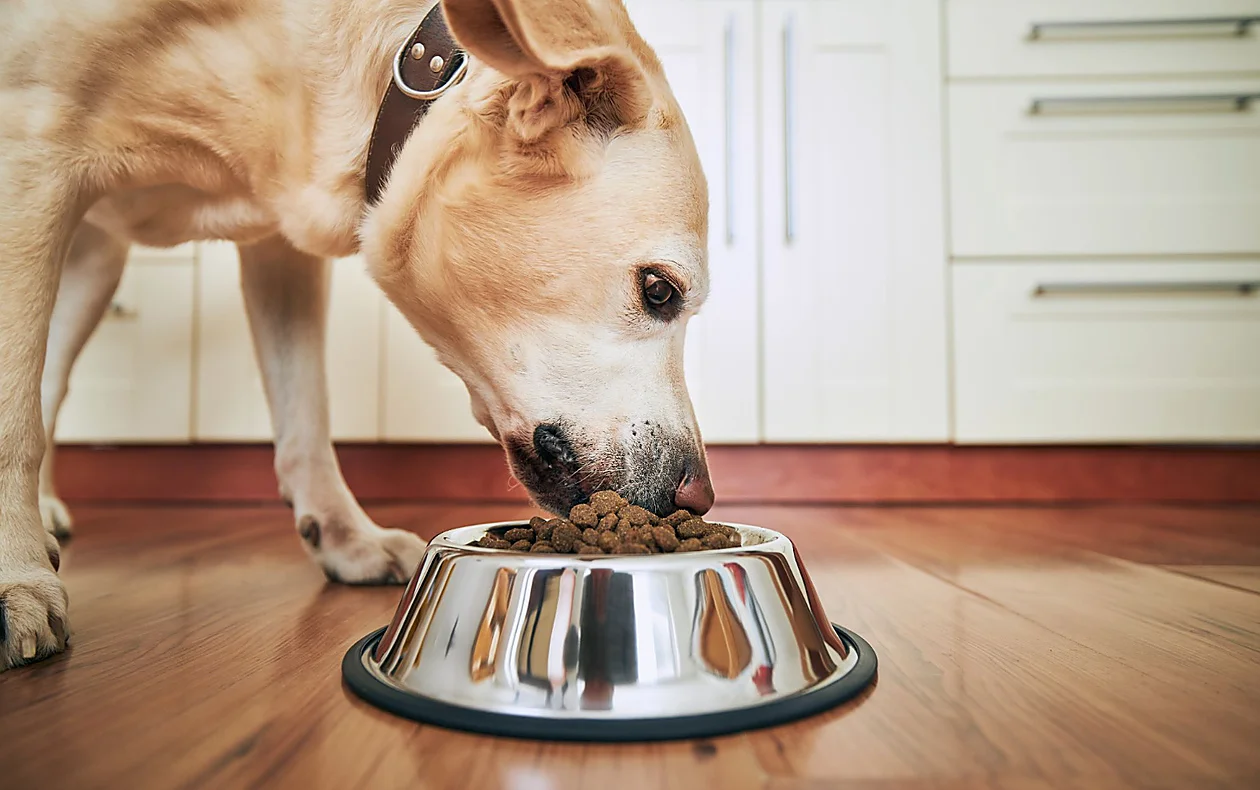
Once your dog has passed at least one normal stool and is tolerating the recovery diet without issue, begin the return to regular food gradually. An abrupt switch at this stage is one of the most common ways to restart the diarrhea cycle.
The Ontario Veterinary College recommends a 7-10 day transition:
- Days 1-3: 75% bland diet, 25% regular food
- Days 4-6: 50% of each
- Days 7-9: 25% bland diet, 75% regular food
- Day 10: regular food only
Apply this same approach any time you change your dog’s food in the future, not just after a diarrhea episode. Rapid food transitions are among the most predictable causes of self-inflicted GI upset in otherwise healthy dogs.
Frequently Asked Questions
Should I fast my dog before starting the bland diet? Withholding food for 12 to 24 hours was the standard recommendation for many years, and some veterinarians still use it for certain cases. Many current nutrition guidelines now favour introducing a highly digestible meal early rather than extending the fast. If your dog is actively vomiting, hold off on food and contact your veterinarian first.
How long do I stay on the bland diet? Most mild acute cases resolve within 24 to 72 hours of bland feeding. Continue for at least one full day after stools return to normal before starting the transition back.
Can I use brown rice instead of white? No. Brown rice contains too much fibre during active diarrhea and will slow recovery. Stay with white rice until the gut has settled.
My dog ate something out of the garbage. Should I be worried? Dietary indiscretion is one of the most common causes of acute diarrhea and usually resolves with careful feeding and monitoring. If your dog ingested something potentially toxic (certain plants, human medications, xylitol, grapes, raisins, chocolate, or household chemicals), contact your veterinarian immediately. Do not wait for symptoms to develop.
What if my dog refuses to eat the bland diet? Add a small amount of low-sodium broth to make it more appealing, or mix in a packet of FortiFlora, which most dogs find palatable. If your dog has gone more than 24 hours without eating anything, call your veterinarian.
When does recurring diarrhea become a bigger concern? A single acute episode that clears up in a few days is not usually cause for alarm. Diarrhea that comes back frequently, contains blood, is accompanied by weight loss or vomiting, or does not resolve within 72 hours of bland feeding is a different situation and warrants a veterinary exam. If your dog has ongoing digestive sensitivity, a nutrition assessment can help determine whether the food itself is a factor.
If you have a cat dealing with similar symptoms, the causes and approach differ in important ways. Our article on cat diarrhea: causes, symptoms, and solutions covers what cat owners need to know.
Book a Nutrition Consultation
Schedule your appointment quickly and easily.