
A hot spot often shows up suddenly: one patch of skin becomes red, damp, sore, and hard for your dog to leave alone. You may see repeated licking, chewing, or scratching in the same place. Veterinarians may call this acute moist dermatitis.
Weather and coat condition can make a difference. In Canada, skin irritation may be triggered or worsened by damp fur, humid weather, seasonal allergens, wet walks, snow, and road salt.
This article explains how hot spots may appear, why they happen, when your dog should be seen by a veterinarian, what treatment can involve, and how to reduce repeat flare-ups.
Recognizing a Hot Spot
Catching a hot spot early can make treatment easier and help keep the irritated area from spreading.
Signs may include:
- Red or inflamed skin: The affected patch may look swollen, bright red, or irritated.
- Moist skin or discharge: The skin may look damp, sticky, or oozing. Some hot spots may have clear fluid, pus, or a small amount of blood.
- Strong itching: Your dog may keep going back to the same area to lick, chew, or scratch, which can make the skin worse.
- Hair loss or matted fur: Hair around the sore may thin, fall out, clump together, or cover the irritated skin.
- Pain or sensitivity: Your dog may flinch, move away, whimper, or react defensively when the area is touched.
These sores often develop in places a dog can reach, including the neck, hips, thighs, and the area near the tail. Dogs with heavier coats, such as Golden Retrievers and German Shepherds, can be more vulnerable when moisture stays close to the skin.
A hot spot can resemble other skin issues, including ringworm, allergies, or an environmental rash. What often sets it apart is how quickly it becomes moist, itchy, painful, and larger.
What Causes Hot Spots on Dogs?
Most hot spots start with irritation that leads to licking, chewing, or scratching. Once the skin surface is damaged, inflammation can build and infection may follow.
Common triggers include:
Allergies
Food sensitivities and environmental allergies can both lead to itching. Pollen, dust, mould, and certain food proteins may be involved, depending on the dog.
Fleas, Ticks, and Insect Bites
A flea bite, tick bite, or other insect bite can cause intense itching. In sensitive dogs, even a small bite may start enough licking or chewing to create a sore patch.
Wet Coats or Poor Airflow
Moisture that remains under the coat after bathing, swimming, rain, snow, or humid weather can irritate the skin. Thick fur, mats, and missed grooming can also limit airflow and keep the area damp.
Stress or Boredom
Some dogs chew or lick their skin when they are anxious, bored, or not getting enough stimulation. Repeated licking in one area can wear down the skin and create a painful sore.
Seasonal conditions can add to the problem. Humid summer weather may make moisture-related skin issues more likely, while winter salt and snow can irritate the paws and lower legs.
When to See a Vet
Do not rely on size alone when deciding whether a hot spot needs care. Even a small sore can become more painful or spread if your dog keeps licking it.
A veterinary visit is recommended if:
- The affected area is spreading
- There is heavy oozing, swelling, bleeding, or obvious pain
- Your dog seems tired, unwell, or feverish
- The skin has not improved after 24 to 48 hours of careful home care
- Your dog keeps licking, chewing, or scratching despite your efforts to stop it
Without treatment, a hot spot may become more painful, extend into a larger area, or turn into a deeper skin infection. More advanced infections can require stronger medication and a longer healing period.
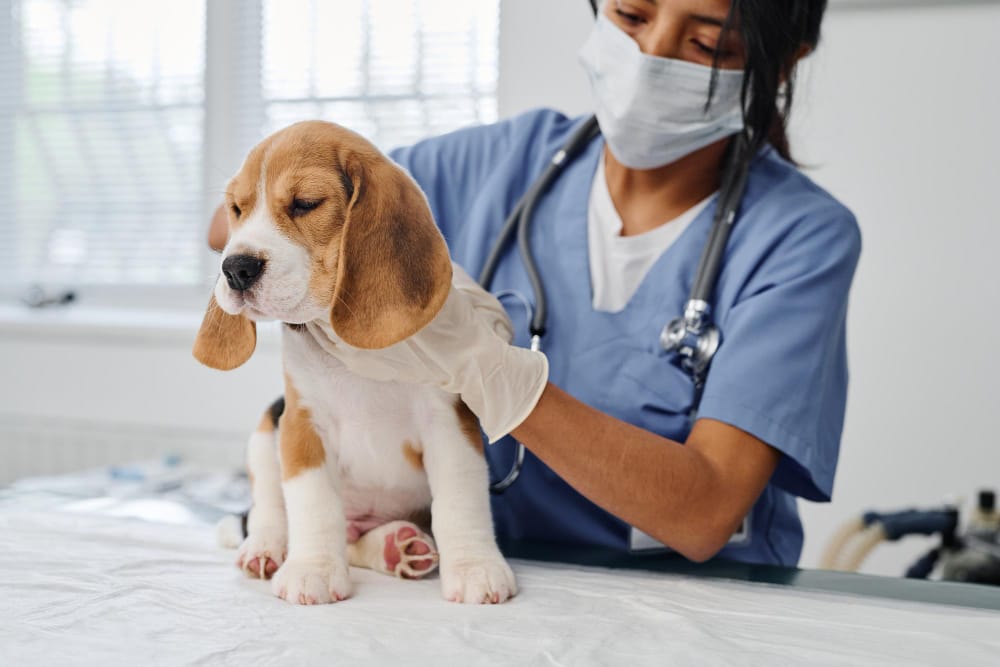
At York Veterinary Hospital, we check the affected skin, look for the likely cause, and recommend care based on your dog’s comfort level and the severity of the lesion.
A visit may include:
- A full skin check
- Testing when needed, such as skin scrapings or cultures
- Clipping fur away from the affected area
- Cleaning the sore patch
- Prescription treatment based on severity
- Advice to help prevent another flare-up
Vet-Recommended Treatments
Your veterinarian will choose treatment based on what the skin looks like, how uncomfortable your dog is, and whether infection is suspected. The goal is to clean the area, reduce discomfort, and stop the licking and chewing cycle.
Cleaning and Drying
Your veterinarian may clip the fur around the hot spot so the skin can be seen, cleaned, and dried properly. The area is then cleaned with an appropriate antiseptic solution.
Topical Medication
Medicated sprays, creams, or ointments may be used to reduce irritation, support healing, and help control infection.
Oral Medication
More severe cases may need oral antibiotics, anti-inflammatory medication, pain relief, or another treatment plan based on your veterinarian’s findings.
E-Collars or Protective Collars
A cone or soft recovery collar may be recommended so your dog cannot keep licking or chewing the area while it heals. This can be an important part of recovery because repeated licking can bring the irritation back.
Home Care Tips After the Vet Visit
Home care helps the skin continue to heal after the appointment. Follow your veterinarian’s instructions for cleaning, medication, and rechecks.
- Keep the area clean and dry: Clean only as directed, and gently dry the skin if moisture builds up.
- Give medication as prescribed: Continue treatment for the full recommended course unless your veterinarian changes the plan.
- Watch the skin daily: Improvement often begins within a few days. Call your veterinarian if the sore spreads, smells worse, becomes more painful, or does not improve.
- Address allergy triggers: If allergies may be involved, your veterinarian may suggest diet changes, medication, testing, or longer-term allergy management.
- Dry your dog well after baths or swims: Removing excess moisture can help lower the chance of another hot spot.
Preventing Future Hot Spots
Lowering the risk of hot spots usually means paying attention to skin health, coat care, parasite control, moisture, and itch triggers.
- Groom regularly: Brushing removes loose hair and helps air move through the coat. Dogs with long or thick coats may also benefit from professional grooming.
- Keep parasite prevention current: Flea and tick prevention helps reduce one common cause of sudden, intense itching.
- Manage allergies: If allergies are part of the pattern, your veterinarian can help identify likely triggers and choose a treatment plan.
- Dry the coat thoroughly: After bathing, swimming, rain, or snowy walks, dry your dog carefully, especially in areas where fur is thick.
- Reduce stress licking: Regular exercise, enrichment, puzzle toys, routine, and quiet rest can help dogs who lick or chew because of stress or boredom.
Hot spots are uncomfortable, but early care often helps dogs recover more quickly. Checking the skin often, keeping the coat dry, and getting veterinary help when irritation spreads can make a real difference.
If you notice a hot spot or are worried about a rash on your dog, contact York Veterinary Hospital. We can examine the area, look for possible triggers, and help your pet feel comfortable again.