
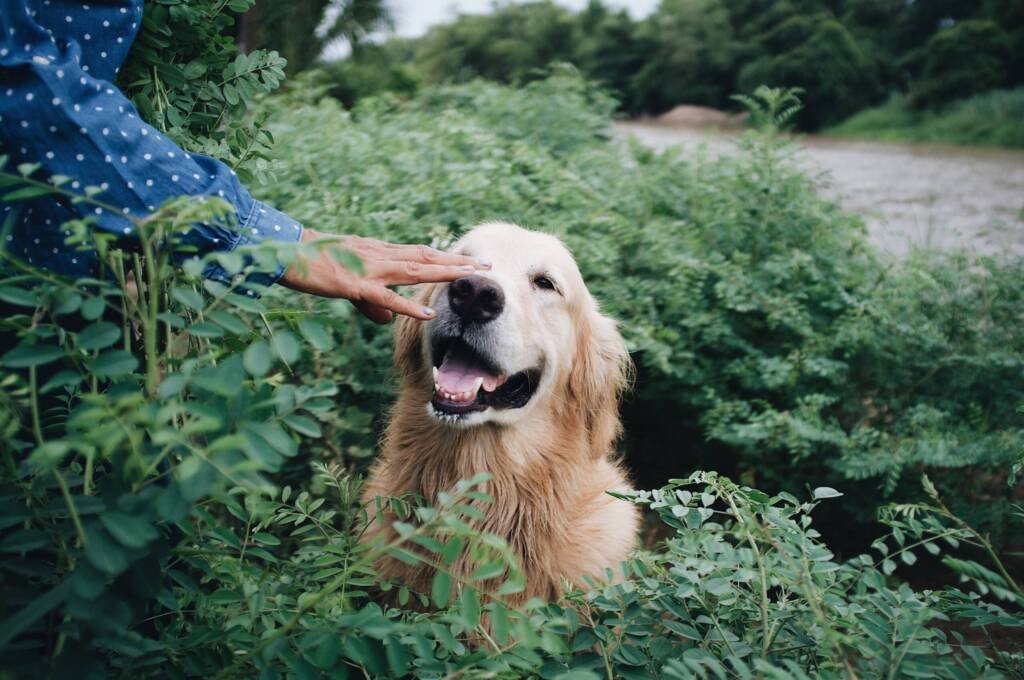
A dog’s health is shaped by ordinary routines: meals that suit their body, enough movement, clean skin and coat, safe surroundings, regular veterinary care, and patient handling. When these parts of care are consistent, dogs tend to feel more settled, active, and comfortable.
This guide brings those basics together in a practical way, so you can look at your dog’s daily routine and see where small improvements may help.
Feeding Your Dog Well
Food affects energy, digestion, body condition, skin, coat, and long-term health. The right choice depends on the dog in front of you, not only the wording on the bag.
Choosing the Right Food
A puppy needs food that supports growth. An adult dog needs balanced maintenance nutrition. A senior dog, very active dog, overweight dog, or dog with medical concerns may need something different again.
Before choosing a food, consider your dog’s age, size, activity level, body condition, digestion, and any advice your veterinarian has given. The protein source, life-stage label, and your dog’s response to the food matter more than marketing language.
If your dog has vomiting, diarrhea, itching, weight gain, food sensitivities, or a diagnosed condition, speak with your veterinarian before changing diets.
Portions and Meal Timing
Even the right food needs the right serving size. A slightly full scoop each day, especially with extra treats, can slowly add weight and make walks, stairs, or play feel harder for your dog.
Use the feeding chart on the package as a starting point, then adjust based on your dog’s body condition, activity level, age, and veterinary guidance.
Many adult dogs manage well with morning and evening meals. Puppies usually need smaller, more frequent meals while they are still growing.
Treats and Supplements
Treats can support training, but they should stay small. Count them as part of the day’s food intake, especially if your dog is gaining weight.
Avoid chocolate, grapes, onions, and anything with xylitol. Choose dog treats or simple foods your veterinarian says are safe.
Supplements should have a clear reason. Your veterinarian may recommend joint support, omega-3 fatty acids, probiotics, or another option depending on your dog’s needs.
Exercise and Play
Movement keeps dogs physically active and mentally engaged. A good routine can support weight control, muscle tone, focus, and calmer behaviour at home.
Daily Movement
Some dogs are happiest with long walks, running, hiking, or active games. Others do better with shorter outings and gentle play. Age, breed, breathing comfort, joint health, weather, and fitness level all matter.
Try activities such as fetch, tug, scent games, puzzle toys, treat toys, or short training sessions. Watch your dog during activity. If they slow down, avoid movement, pant heavily, seem stiff, or look sore, stop and let them rest.
Breed and Lifestyle Needs
High-energy dogs often need both exercise and mental work. Border Collies and Labradors, for example, may need more structured activity than lower-energy dogs.
Small dogs, older dogs, flat-faced breeds, and dogs with health concerns may need a slower pace. Your veterinarian can help you choose an activity level that fits your dog’s body and health.
Routine Veterinary Care
Veterinary visits are useful even when your dog seems well. Regular exams help track changes in weight, teeth, skin, ears, joints, and general comfort.
Checkups and Vaccines
During a wellness exam, your veterinarian can check your dog from nose to tail and answer questions about food, behaviour, dental care, parasite prevention, exercise, and vaccines.
Vaccines help protect dogs from serious diseases, including rabies, distemper, and parvovirus. Your dog’s schedule should match their age, lifestyle, and risk level.
Parasite Prevention
Fleas, ticks, heartworm, and intestinal parasites can affect dogs before obvious signs appear. Prevention may be seasonal or year-round, depending on your dog’s routine and local risk.
Your veterinarian can recommend oral or topical prevention based on travel, outdoor exposure, medical history, and lifestyle.
Dental Care
Dental problems can be easy to miss until there is bad breath, pain, drooling, or trouble chewing. Gum disease and damaged teeth can affect comfort and may require treatment.
Brush with dog-safe toothpaste when possible. Ask your veterinarian which dental chews, rinses, or products are appropriate. Some dogs also need professional dental cleanings.
Book an exam if you notice bleeding gums, loose teeth, bad breath, drooling, or reluctance to chew.
Grooming and Hygiene
Grooming is not only about appearance. It gives you regular chances to notice skin irritation, mats, lumps, paw injuries, ear changes, eye discharge, or overgrown nails.
Bathing, Brushing, and Nails
Bathing frequency depends on coat type, skin health, outdoor activity, and veterinary advice. Some dogs need frequent baths, while others only need occasional washing.
Brushing helps control loose hair and prevent mats. Long, curly, or thick coats usually need more attention than short coats.
Nails should be trimmed before they affect walking. Some dogs need nail trims every few weeks, while active dogs may wear their nails down naturally.
Coat and Breed Needs
Coat care varies by breed and coat texture. Poodles and Doodles often need scheduled trims. Huskies and other heavy-shedding dogs may need extra coat care during shedding periods.
Professional grooming can help keep the coat clean, reduce mats, manage shedding, and improve comfort.
Ears, Eyes, and Paws
Use ear cleaners only when your veterinarian recommends them. Wipe mild eye debris with a clean, damp cloth. After walks, check paws for salt, debris, cuts, redness, or soreness.
Call your veterinarian if you notice swelling, discharge, pain, redness, or an unusual smell.
A Safe and Comfortable Home
A dog needs a home that feels safe and gives them space to rest. Small household changes can prevent accidents and reduce stress.
Home Safety
Keep medications, cleaning products, electrical cords, unsafe foods, garbage, and small objects out of reach. Use gates if stairs, rooms, or other areas need to be blocked.
Resting Space
Give your dog a quiet place to sleep away from busy household traffic. This may be a soft bed, crate, or calm corner. Some dogs feel safer in a tucked-away space or a partly covered crate.
Mental Enrichment
Dogs can get bored indoors, especially when they are alone or under-stimulated. Rotate activities such as puzzle feeders, snuffle mats, chew toys, short training games, and safe window-watching spots.
Changing toys every few days can make familiar items feel interesting again.
Training and Socialization
Training gives dogs clear expectations. Socialization helps them learn how to handle people, animals, sounds, places, and new situations.
Basic Manners
Useful cues include sit, stay, come, leave it, and heel. Keep sessions short and reward the response you want with treats, toys, praise, or play.
Calm repetition works better than harsh correction. Fear and confusion can make learning harder.
Socialization
Introduce new experiences slowly. This may include friendly people, calm dogs, car rides, outdoor sounds, public spaces, and different walking routes.
The goal is confidence, not pressure. If your dog seems overwhelmed, create more distance, simplify the situation, and try again later.
Respecting Body Language
If you are learning how to pet a dog properly, start by watching the dog’s response. Let them choose whether to come closer. Avoid leaning over them, grabbing them, or continuing contact if they turn away, freeze, growl, or seem uncomfortable.
For fear, aggression, or repeated reactivity, speak with your veterinarian or a certified trainer.
Emotional Well-Being
Dogs need routine, rest, attention, safety, and trust. Emotional care is part of health, not an optional extra.
Stress Signals
Stress can show up in different ways. You may notice hiding, pacing, licking, chewing, whining, barking more than usual, restlessness, or appetite changes.
Triggers may include loud sounds, loneliness, pain, schedule changes, unfamiliar places, or new household situations. Calm routines, enrichment, gentle reassurance, and veterinarian-approved support can help.
Connection and Personal Needs
Time with you matters. Walks, play, training, quiet companionship, and relaxed affection all help build trust.
Every dog has a different comfort level. Some enjoy visitors and busy places. Others need space, predictable routines, and slower introductions. Respecting those differences helps your dog feel safer.
Final Thoughts
Good dog care comes from consistency. Food, movement, grooming, veterinary care, training, home safety, and emotional support all work together.
When you notice changes early and adjust care to your dog’s needs, you help them live with more comfort, confidence, and happiness.