
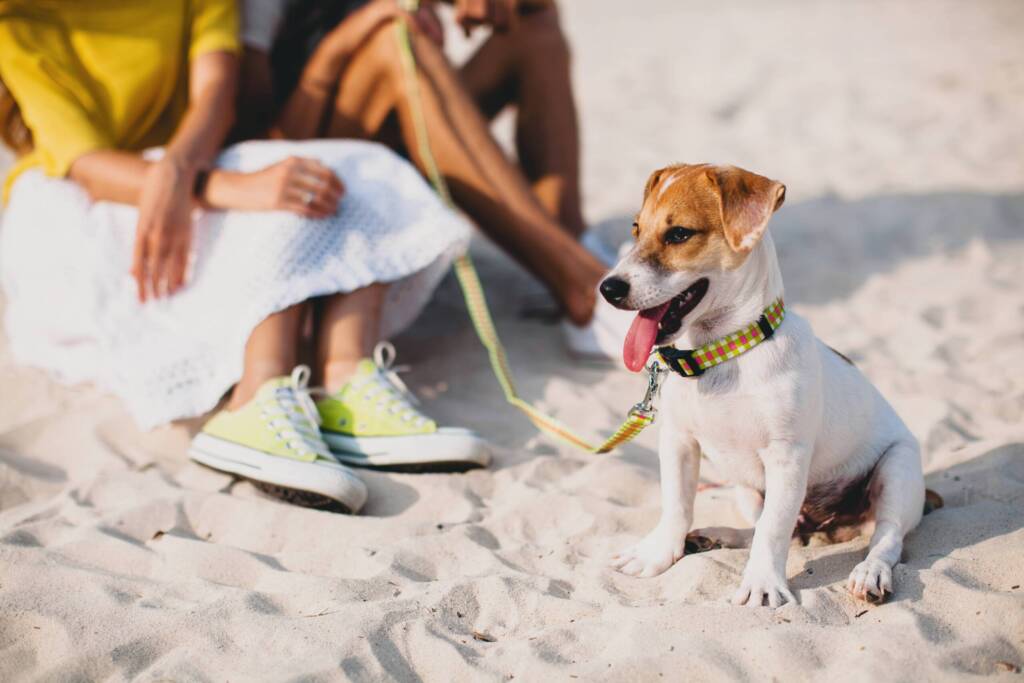
Heavy panting on a hot day can be your first clue that your dog is struggling with the heat. Warm weather, humidity, direct sunlight, exercise, and poor airflow can all make a dog overheat faster than expected.
Safe cooling is not about shocking the body with extreme cold. It is about moving your dog out of the heat, lowering body temperature gradually, watching for danger signs, and getting veterinary help when the symptoms are serious.
Introduction to Canine Heat Safety
Dogs release heat differently from people. They sweat very little through their paw pads and depend mostly on panting. Panting works by moving air through the mouth and airways, but it becomes less effective in humid, hot, or still air.
Some dogs need extra caution in summer. Bulldogs, Pugs, Boxers, and other short-nosed breeds may have more trouble cooling themselves. Puppies, senior dogs, overweight dogs, dogs with thick coats, and dogs with heart or breathing conditions are also at higher risk.
There is no single temperature that is safe for every dog. Shade, humidity, pavement heat, coat type, activity level, age, weight, and medical history all matter. If the day feels hot to you, assume your dog may need a slower pace and more breaks.
Recognizing Signs of Overheating
Heat stress can build quickly. Watch your dog closely during walks, playtime, car rides, patio visits, outdoor events, and any time they are outside in warm weather.
Excessive panting or drooling
Panting after activity is normal. Panting that is intense, constant, louder than usual, or hard for your dog to settle from is more concerning. Thick saliva or unusual drooling can also be a warning sign.
Lethargy, weakness, or unsteady movement
A dog that suddenly slows down, refuses to continue walking, seems weak, stumbles, or looks confused may be overheating. These changes should not be pushed through.
Red or pale gums, rapid heartbeat
Healthy gums are usually pink. Bright red gums can appear with overheating, while pale gums may suggest poor circulation or shock. A racing heartbeat is another sign that the body is under stress.
Vomiting or diarrhea
Vomiting or diarrhea in hot weather is concerning, especially with weakness, collapse, confusion, or heavy panting that does not settle. These signs need urgent veterinary attention.
Safe Cooling Techniques
If your dog seems overheated but is awake, alert, and responsive, begin cooling while you monitor them closely. If symptoms are severe, call a veterinarian immediately and start safe cooling on the way to care.
Move your dog out of the heat
Take your dog to shade, air conditioning, or a cooler indoor area. If air conditioning is not available, use a fan and keep your dog away from direct sunlight.
Offer cool water
Provide cool drinking water and let your dog take small amounts. Do not force drinking. If your dog is distressed, weak, vomiting, or not fully alert, contact a veterinarian right away.
Use cool water on the body
Wet your dog with cool water, focusing on the belly, paws, armpits, and groin. For thick or double-coated dogs, part the coat so the water reaches the skin. Avoid ice baths and very cold water.
Add airflow
A fan can help cooling when your dog’s coat is damp. Air movement helps heat leave the body more effectively.
Use cooling products with supervision
Cooling mats, vests, and bandanas can help some dogs, especially for prevention. Check them often. Remove the product if it warms up, your dog seems uncomfortable, or your dog starts shivering.
Outdoor Activity Precautions
The safest plan is to avoid overheating before it starts.
Avoid the hottest parts of the day
Plan walks for early morning or later evening. Skip hard exercise during hot, humid, or sunny periods.
Shorten walks
Choose shorter routes and a slower pace on warm days. Avoid running, fetch, and intense play when the weather is hot or humid.
Check the ground
Pavement can burn paw pads. Test the surface with the back of your hand for several seconds. If it feels too hot for your hand, it is too hot for your dog’s paws.
Take shade breaks
Pause often in shaded areas. Let your dog rest, drink, and recover. If your dog wants to stop, do not push them to continue.
Swimming and Water Play
Water can help some dogs stay cooler, but it still needs supervision.
Introduce water slowly
Let your dog approach a shallow pool, sprinkler, or safe water area at their own pace. Do not force a nervous dog into water.
Watch for tiredness
Swimming uses energy. Slow movement, heavy breathing, panic, difficulty staying afloat, or a worried expression means it is time to get your dog out and let them rest.
Dry your dog after water play
Dry the coat, paws, skin folds, and areas under the legs. Moisture trapped against the skin can contribute to irritation.
Watch how much water your dog swallows
Some dogs drink or swallow too much during water play. If your dog becomes bloated, vomits, seems weak, acts confused, or looks unwell afterwards, call a veterinarian.
Avoiding Dangerous Practices
Some quick cooling ideas are not safe.
Never leave a dog in a parked car
Temperatures inside a parked car can climb fast, even on days that do not feel especially hot. Do not leave your dog in a car.
Avoid ice baths
Very cold water can cause sudden temperature shifts and extra stress. Cool water is safer.
Do not continue cooling for too long
Cooling should be controlled. If your dog shivers, feels cold, becomes more lethargic, or seems to be getting worse, stop active cooling and contact a veterinarian.
Do not rely on home care for heatstroke
Home cooling can help while you seek care, but it does not replace emergency treatment when heatstroke signs are present.
When to Seek Veterinary Help
Call a veterinarian right away if your dog has:
- Persistent heavy panting or drooling
- Vomiting or diarrhea
- Weakness, wobbliness, or collapse
- Confusion or unresponsiveness
- Trouble breathing
- Pale, bright red, blue, or grey gums
- Seizures
Heatstroke can be life-threatening. If you think your dog may have heatstroke, begin safe cooling and contact York Veterinary Hospital or an emergency veterinary clinic immediately.
Keeping your dog safe in hot weather takes planning and close observation. Choose cooler walking times, carry water, check pavement, avoid parked cars, limit hard exercise, and move your dog into a cooler space at the first sign of heat stress.
If your dog overheats or does not settle quickly after moving somewhere cooler, contact York Veterinary Hospital for guidance. Acting early can help prevent a heat-related emergency.