
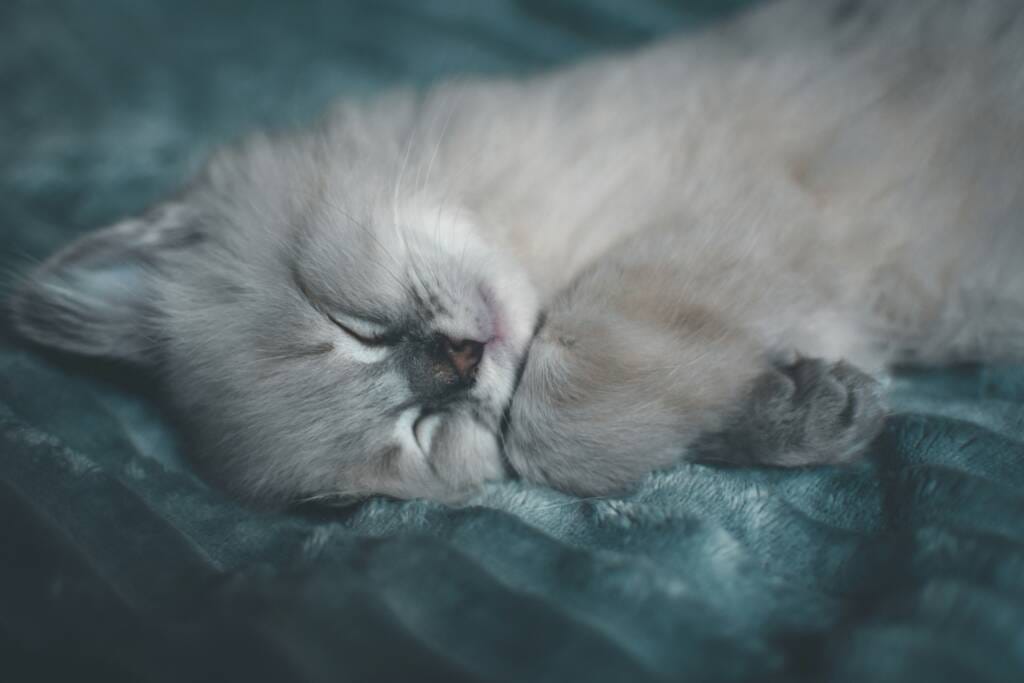
Cats spend a large part of the day asleep. For many adult cats, that means roughly 12 to 16 hours in a 24-hour period, and some sleep even more. The position your cat chooses is not always random. It can reflect comfort, temperature, alertness, trust, stress, or possible discomfort. No single sleeping position gives a full diagnosis. Still, noticing changes in how and where your cat sleeps can help you spot shifts in mood, mobility, and general health.
This guide explains common cat sleeping positions, what they may mean, and when a change is worth discussing with a veterinarian.
Understanding Feline Sleep Behaviour
Cats move between light sleep and deeper sleep throughout the day. They are natural hunters, but they are also small enough to stay alert to their surroundings. That is why many cats nap lightly, wake quickly, and choose sleep spots that feel safe.
Their posture often has a practical purpose. A curled body helps conserve warmth. A side-sleeping cat may feel safe enough to relax fully. A cat hiding under furniture may want quiet, but that same behaviour can also appear when a cat is stressed or unwell. The pattern matters more than one nap.
Common Cat Sleeping Positions and Their Meanings
Here are eight common cat sleeping positions and what they may suggest.
1. Curled Up in a Ball
In this position, your cat draws the head close to the body and brings the tail around the legs or face.
What it may mean: Curling up helps hold body heat and protects the belly. Many cats sleep this way when they want warmth, comfort, and a sense of protection.
2. The Loaf (Sphinx Pose)
A loafing cat rests with the body upright and the paws tucked underneath. The eyes may be partly closed or softly blinking.
What it may mean: This usually points to a calm but watchful cat. They may be comfortable, but they are not fully stretched out or deeply asleep.
3. Side Sleeping (Legs Stretched Out)
Side sleeping happens when a cat lies on one side, often with the legs relaxed or stretched outward.
What it may mean: A cat sleeping on the side often feels safe in that spot. Because the belly and limbs are less guarded, this position can suggest trust and deeper rest.
4. Belly Up (Stomach Exposed)
Few positions are as vulnerable as lying on the back with the abdomen exposed.
Interpretation: This posture reflects complete trust and comfort in the environment. Nevertheless, it should not be misinterpreted as an invitation for physical interaction, such as belly rubbing.
5. Head Tucked or Buried
Some cats sleep with the face tucked into paws, blankets, bedding, or a corner.
What it may mean: Your cat may be trying to stay warm, block light, reduce noise, or settle down after too much stimulation. If this is new and comes with hiding or low energy, watch more closely.
6. Back-to-Back or Cuddling with You/Other Pets
Some cats sleep pressed against a person, another cat, or another familiar pet.
What it may mean: Sleeping in contact can show social comfort and trust. If your cat chooses to lean against you while resting, they likely feel safe nearby.
7. Sitting Up While Dozing
A cat may nap while sitting upright, with the eyes half-closed or briefly closing.
What it may mean: This is usually light sleep. Your cat may be resting while still staying aware of sounds, movement, or activity in the room.
8. Hiding While Sleeping
Some cats choose closets, under beds, behind furniture, or other tucked-away spaces.
What it may mean: Occasional hidden naps can be normal, especially if the house is noisy. A sudden or frequent move to hiding spots can point to fear, stress, pain, or illness and should be monitored.
Mood Clues From Cat Sleeping Positions
Sleeping posture can give small clues about your cat’s emotional state. A relaxed cat may stretch out, sleep on the side, expose the belly, or rotate between several favourite spots. A worried or uncomfortable cat may stay tucked tightly, hide more often, avoid open spaces, or sleep in a stiff position.
Look for patterns. A cat who has always loved sleeping under the bed may simply prefer that spot. A cat who suddenly stops sleeping near the family and hides all day is showing a more meaningful change.
Health Clues in Sleep Habits
Changes in sleep can sometimes reflect pain or illness. Watch for:
- A clear increase or decrease in total sleep
- Reluctance to move after resting
- Frequent shifting or trouble getting comfortable
- Limping, stiffness, or unusual posture during rest
- Audible signs during sleep, such as whining or growling
- Signs of restlessness or apparent difficulty in achieving restful sleep
Contact your veterinarian if your cat:
- Sleeps far more than usual, especially beyond about 18 hours a day
- Avoids interaction, play, or normal routines
- Seems painful when lying down, standing, or jumping
- Hides more than they used to
These changes can be linked to arthritis, injury, stress, or systemic illness.
Age-Related Differences in Sleeping Habits
- Kittens: Young kittens may sleep up to 20 hours a day while they grow. They often seek warmth and security by sleeping close to littermates, people, or soft bedding.
- Adult Cats: Adult cats usually move between light naps and deeper sleep. Their sleeping positions often reflect how secure they feel in the home.
- Senior Cats: Older cats may sleep longer and move less. If a senior cat starts choosing softer surfaces, avoids jumping, or seems uncomfortable after rest, joint pain or arthritis may be involved.
Tip: Soft bedding, easy access to favourite resting places, and warm sleeping areas can help older cats stay comfortable. Heated pads should be pet-safe and used according to the product instructions.
Environmental Factors That Influence Sleep
Cats adjust their sleeping positions based on temperature, noise, light, and safety.
- Cool temperatures: Cats may curl tightly or loaf to keep warm.
- Warm conditions: Cats may stretch out, sprawl, or choose cooler surfaces.
- Loud environments: Cats may retreat to enclosed or hidden places.
- Quiet, secure settings: Cats may sleep more openly, including on the side or belly-up.
To support healthy sleep:
- Create quiet resting spots off the floor.
- Offer both covered beds and open beds.
- Keep the room temperature comfortable.
- Reduce loud noise around your cat’s main sleeping areas when possible.
Behavioural Shifts to Monitor
Some changes in sleep behaviour are worth tracking, especially if they appear suddenly.
Watch for:
- Sleeping in remote, cold, or unusual places
- Holding a rigid position for long periods
- Startling more easily during rest
- Dozing upright because lying down seems uncomfortable
- Hiding more often than usual
Warning signs include:
- Sleeping much more than normal
- Avoiding favourite people, toys, or activities
- Refusing usual sleeping spots
- A sudden increase in hiding behavior
Prompt veterinary evaluation is advised when these behaviors emerge, as they may signify early-stage health complications.
What Your Cat’s Sleeping Position Means Overall
Your cat’s sleeping position can offer useful clues, but it should always be read in context. The same posture can mean different things depending on your cat’s age, personality, the room temperature, and what else is happening at home.
The safest approach is to notice what is normal for your own cat. If their sleep position, sleep location, energy, appetite, or comfort level changes in a lasting or dramatic way, contact your veterinarian.
Tip: If your cat’s sleeping habits shift during the colder months, it may simply be a response to the temperature. Nonetheless, persistent or dramatic changes should be evaluated by a veterinary professional to rule out health concerns.